How Do You Decorate a One-Bedroom Apartment?
Wondering how to make the most of your one-bedroom apartment? This guide answers your questions with smart ideas for furniture, layout, and storage to create...
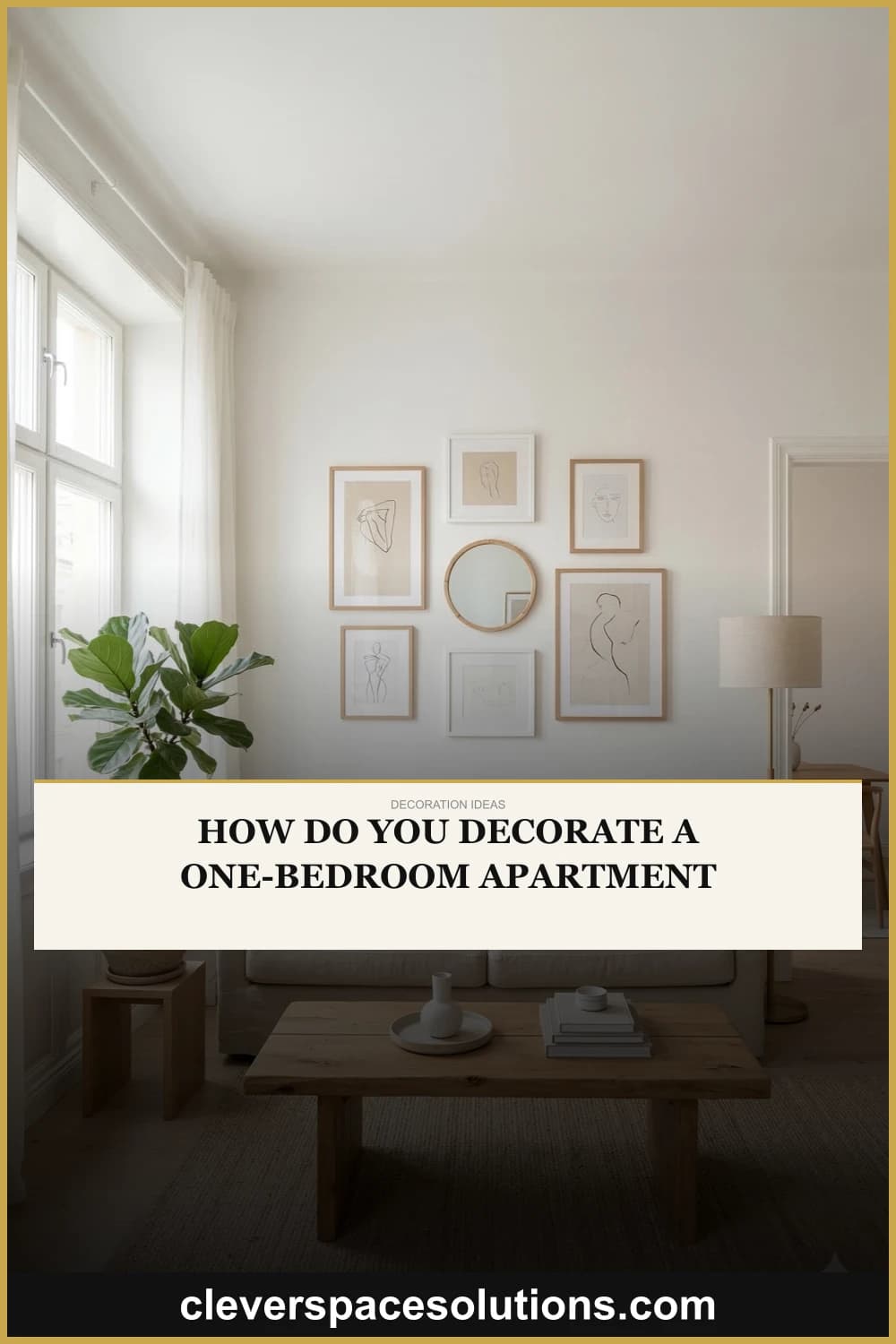
How Do You Decorate a One-Bedroom Apartment? A Complete Guide
Decorating a one-bedroom apartment comes down to four things: light colors, smart furniture choices, clever storage, and a clear sense of separation between your living and sleeping zones. When you get these four things right, even a compact 500-square-foot space can feel open, organized, and genuinely welcoming — without spending a fortune.
This guide covers every decision you'll face, from picking your color palette to organizing the bathroom. Whether you're moving in for the first time or finally tackling a space that never quite came together, you'll find practical steps you can act on today.
If you're still figuring out your furniture layout, it helps to first think through how to furnish your small living room before committing to any big purchases.
TL;DR:
- Light, neutral wall colors make any one-bedroom feel noticeably larger.
- Multi-functional furniture (storage beds, sofa beds, extendable tables) is the single biggest space-saver.
- Mirrors opposite windows can visually double the size of a room at almost zero cost.
- According to the National Association of Realtors, staged and well-decorated small apartments sell or rent significantly faster — good decor creates real perceived value.
Decorating a one-bedroom apartment is all about using a small area efficiently to create a living space that is both stylish and functional. To do this well, you need to consider every detail, from furniture and layout to color and lighting.
This guide will answer the key questions you have about decorating your space. We'll cover how to make your apartment feel larger, what to look for when choosing furniture, and how to use smart storage to keep everything organized.
Core Principles for a More Spacious Feel
Before you move a single piece of furniture, three foundational principles will shape every decision you make. Get these right, and the specific furniture and accessories almost pick themselves. Get them wrong, and even expensive pieces will make your apartment feel cluttered and cramped.
-
1. Use a Light Color Palette: The colors you choose determine the atmosphere of your home. To achieve a larger and more open look, focus on light and neutral colors. Shades like white, cream, and light gray are excellent for walls and large furniture pieces as they reflect light. You can add pops of vibrant color with smaller items like throw pillows, rugs, or wall decor to bring energy into the space without overwhelming it.
Light walls aren't just an aesthetic preference — they actually reflect more natural light around the room, reducing the contrast between lit and shadowed areas. That reduced contrast is what makes a room feel open. If pure white feels too stark, warm whites and off-whites (think linen or pale oat) give you the same spatial effect with a softer, cozier finish.
-
2. Maximize All Lighting: Good lighting makes small spaces feel larger and more inviting. Don't rely on a single overhead fixture — it casts flat light that flattens depth and makes a room feel smaller than it is.
-
Natural Light: Make the most of any natural light you have. Keep windows unobstructed and use sheer curtains. Even hanging curtain rods closer to the ceiling (rather than just above the window frame) makes windows look taller and the room feel more generous.
-
Artificial Light: Add lamps to brighten dark corners. Layering your lighting with a mix of ceiling lights, floor lamps, and table lamps creates depth. Warm-toned bulbs (around 2700K) in the living area create a relaxed, welcoming atmosphere, while cooler light in a home office zone helps you stay focused.
-
-
3. Use Mirrors Strategically: Mirrors are a classic trick for a reason. A large, strategically placed mirror can make a room feel twice as big by reflecting light and the view. Placing a mirror opposite a window is especially effective. A tall, leaning mirror in the corner of a living room or bedroom also adds visual height, making ceilings feel loftier than they actually are.
 🛒 View This Product on Amazon
Citation capsule: Light neutral wall colors reflect ambient light and reduce visual contrast, creating the perception of more space in compact rooms. Interior designers consistently recommend whites, creams, and light grays as the most reliable palette for one-bedroom apartments under 700 square feet. (Architectural Digest, 2024)
What Should You Consider When Choosing Furniture?
Furniture is where most people go wrong in a small apartment. They either buy pieces that are too large because they look good in the showroom, or they buy too many pieces trying to match every need separately. The key is to be selective and intentional — every item should earn its place.
-
Measure Your Space: Before you buy anything, measure your apartment to ensure the furniture will fit. Large, bulky furniture can make a small space feel even more cramped. Sketch out a rough floor plan, even just on paper, and test furniture dimensions against it before committing. A sofa that looks modest in a big-box store can eat up an entire wall in a one-bedroom.
-
Prioritize Multi-Functional Furniture: This is the key to successful small-space living. Opt for pieces that serve more than one purpose, such as sofa beds, beds with built-in storage drawers, or extendable dining tables. An ottoman with internal storage works as a coffee table, extra seating, and a place to stash blankets — three functions, one footprint.
-
Choose Lightweight Pieces: Furniture that is lightweight and easy to move allows you to reconfigure the space as needed, which is a huge advantage in a smaller home. Pieces with exposed legs also help — they reveal more of the floor, which tricks the eye into perceiving more square footage. Solid, floor-to-ground sofas and cabinets visually "block" a room, even when the actual footprint is the same.
-
Keep the Visual Field Open: Try to maintain clear sightlines across the room. Furniture that sits below eye level keeps the upper half of the room open and airy. Reserve taller pieces — bookshelves, wardrobes — for walls rather than placing them in the center of a space or blocking windows.
For a deeper look at furniture arrangement options, our guide on how to furnish your small living room walks through specific layout strategies for common room shapes.
How Should You Separate the Bedroom Area?
In a one-bedroom apartment, creating a sense of separation between your living and sleeping areas provides privacy and makes the space feel more organized. Even when the rooms are fully separate, the way you style each zone signals clearly what that area is for — and that mental separation matters more than people realize.
-
Use Room Dividers: Portable screens or partitions are a quick and easy way to section off the bed. You can remove them whenever you need to open up the space. Folding screens in rattan, wood, or fabric come in a huge range of styles now, and many double as decorative statements on their own.
- Use Furniture as a Divider: An open-backed bookshelf is a fantastic solution because it separates the space while also providing valuable storage. You can decorate it with books and other items to add personality. Place it perpendicular to a wall to create a soft boundary without blocking light — this works especially well in studio-style one-bedrooms where the bedroom is more of an alcove than a separate room.
-
Use Curtains: A ceiling-mounted curtain track allows you to draw a curtain to hide the bed when you have guests, offering a soft and flexible dividing solution. Floor-length curtains also add a sense of height and drama to a space that might otherwise feel boxy. Choose a fabric that complements your wall color rather than contrasting sharply — it will feel like part of the room, not just a screen.
-
Use Rugs to Define Zones: Even without a physical divider, placing a distinct rug under the bed and a different one in the living area instantly creates two separate "rooms" out of one open space. This layering technique is one of the most affordable ways to bring structure to an open-plan layout.
Not sure which rug size to use? Our article on choosing the right rug for small rooms covers the exact measurements and placement tips that work best in compact spaces.
How Can You Stay Organized with Smart Storage?
You can maintain order in a small home by using clever storage solutions. Wall-mounted shelves, under-bed drawers, and multi-purpose cabinets will help you keep your belongings tidy. The rule of thumb in small-space organization is simple: everything should have a home, and that home should be as space-efficient as possible.
-
Wall-Mounted Shelves: These provide valuable storage without taking up any floor space. You can use them for books, decorative items, or kitchen supplies. Floating shelves installed high on the wall also draw the eye upward, which makes ceilings feel higher. Group items in threes for a balanced, intentional look rather than simply piling things onto shelves.
-
Under-Bed Storage: The space under your bed is perfect for storing bulky or out-of-season items. Use storage drawers or containers designed to slide underneath. If your current bed frame doesn't offer much clearance, bed risers are an inexpensive fix — they can add four to six inches of usable storage height without requiring a new bed.
 🛒 View This Product on Amazon
 -
Multi-Purpose Cabinets: A stylish cabinet can serve as a decorative element while hiding away items like shoes, bags, or other accessories. An entryway cabinet with hooks above and shelves below handles coats, bags, and shoes in a single footprint — which keeps the rest of the apartment from absorbing that clutter.
-
Vertical Storage: When floor space is limited, go up. Tall bookshelves, pegboards in the kitchen, and stacked drawer units all exploit vertical space that's often completely wasted in small apartments. Even the back of a door can hold a surprising amount with the right organizer.
-
Declutter Regularly: Storage solutions only work when you're not fighting against accumulation. A quarterly pass through your belongings — donating or selling what you no longer use — does more for a small apartment's feel than any organizational product.
Room-by-Room Decoration Tips
General principles are useful, but each room in a one-bedroom apartment has its own specific challenges. Here's how to approach the living room, bedroom, and bathroom as distinct spaces — each with its own role to play in the overall feel of your home.
Living Room
The living room usually carries the most weight in a one-bedroom apartment — it's where you relax, host guests, and often where a dining area has to fit as well. The most common mistake is over-furnishing. A sofa, a coffee table, one or two accent chairs, and a media unit are typically all you need. Resist the impulse to fill every corner.
Choose a sofa in a light or mid-tone neutral rather than a bold color. Your sofa is the largest piece in the room — if it's dominant in color, it takes over. Save the bold color for throw pillows or a single accent wall, which you can change as your taste evolves. A rug that anchors the seating area (front legs of all furniture pieces on the rug) pulls the zone together without requiring more furniture.
If your living room also doubles as a dining space, a wall-mounted fold-down table or a compact round table with stackable chairs is far more practical than a full dining set. Round tables are especially good in tight spaces because there are no sharp corners to navigate and they seat more people relative to their footprint.
Need help choosing the right sofa size and layout? Our guide on how to furnish your small living room covers exact placement strategies for common apartment shapes.
Bedroom
The bedroom in a one-bedroom apartment has one job: it should feel like a retreat. That means keeping it calm, uncluttered, and as far removed from "work mode" as possible. Soft, muted tones on the walls — dusty blues, warm taupes, sage greens — work well here even if the rest of the apartment stays neutral. Color in the bedroom feels cozy rather than overwhelming because the room is used for rest, not activity.
Your bed is the dominant piece in the room, so invest there first. A bed frame with built-in storage drawers is one of the highest-return purchases you can make in a small apartment — it effectively adds a dresser's worth of storage without any additional floor footprint. If the bedroom is genuinely small, a platform bed with a lower profile will make the room feel less crowded than a high-set frame.
Keep bedside surfaces minimal. A small floating shelf as a nightstand, rather than a freestanding table, frees up floor space and keeps the room feeling open. One lamp, a book, and a glass of water — that's all a nightstand really needs to do.
Bathroom
Bathrooms in one-bedroom apartments are almost always compact, but they're also one of the easiest spaces to make feel polished with very little investment. Consistent materials and colors are the key: matching your towels, bath mat, and a few small accessories in the same color family immediately makes the space feel considered and intentional rather than thrown together.
For storage, think vertically. An over-toilet shelving unit or a tall narrow cabinet takes advantage of space that's otherwise completely unused. Adhesive hooks on tile or the inside of cabinet doors add storage without drilling. Baskets and small bins on shelves keep products contained so surfaces stay visually clear.
Good lighting matters enormously in a bathroom. If the existing fixture is dim or unflattering, replacing a single bulb with a brighter, warm-toned option makes an immediate difference. A frameless or simply framed mirror above the sink also reflects light around the room, making the smallest bathroom feel more open.
For more detailed bathroom-specific advice, take a look at our full guide on small bathroom decor ideas that work in tight spaces.
What Are the Best Color Schemes for One-Bedroom Apartments?
Color is one of the most powerful tools in small-space decorating — and one of the most misunderstood. The right scheme doesn't just look good, it actively shapes how large or cozy a room feels. Here are the approaches that consistently work best in one-bedroom apartments.
Monochromatic Neutrals
Using varying tones of a single neutral — warm white walls, cream sofa, oat-colored rug, beige curtains — creates a cohesive, visually quiet space where the eye doesn't snag on contrasts. This is the most forgiving approach for small apartments because it makes the space feel seamless. Add texture (linen, cotton, wood, woven materials) to keep it from feeling flat.
Soft White with One Accent Color
This is the most versatile approach: white or off-white everywhere, with a single color used consistently as an accent throughout the apartment. That accent color could be terracotta, sage green, dusty blue, or mustard yellow — whatever matches your style. Because the color appears repeatedly (in throw pillows, a plant pot, a candle holder, a print on the wall), it ties the whole space together without overwhelming it.
Light Wood Tones and White
Scandinavian-inspired combinations of natural light wood and white are especially popular in small apartments because they feel simultaneously warm and open. Light oak furniture against white walls creates brightness without the coldness of an all-white scheme. Green plants add life and a counterpoint to the neutral palette. This approach photographs well and ages gracefully.
Colors to Avoid in Very Small Rooms
Dark, saturated colors on walls — deep navy, forest green, charcoal — can work in larger rooms or as a single accent wall, but they tend to make genuinely compact spaces feel enclosed. If you love dark tones, use them in soft furnishings and accessories rather than on the walls. That way you get the richness without the visual compression.
Citation capsule: Research from the Color Marketing Group shows that lighter wall colors consistently increase perceived room size, with warm whites and light neutrals performing best in rooms under 150 square feet. Using the same neutral family throughout connected spaces reinforces the effect further.
Frequently Asked Questions
How do I make my one-bedroom apartment look expensive?
Focus on a few high-quality anchor pieces rather than filling the space with budget items. A well-made sofa, quality bedding, and real wood accents read as expensive even in modest apartments. Keep surfaces clear, use a consistent color palette, add real plants, and invest in good lighting. Clutter is the enemy of a polished look — no amount of expensive furniture helps if the space feels disorganized.
What is the best color for a small one-bedroom apartment?
Warm white or light off-white is the most reliable choice for walls in a small one-bedroom. Colors like "Swiss Coffee," "Linen White," or "Antique White" give you the space-expanding benefits of white while feeling warmer and more livable than pure bright white. If you want something with more character, very light sage green or pale warm gray work similarly well without closing the space in.
How do I decorate a one-bedroom apartment on a budget?
Start with paint — it's the highest-return investment in any apartment makeover. Then add mirrors, which are cheap and dramatically improve the feel of a small space. Thrift stores and secondhand marketplaces are excellent for furniture with good bones that just needs a fresh coat of paint or new hardware. Plants bring life to any space for very little money. Focus on decluttering before buying anything new — a clear space always looks better than a cluttered one, regardless of what's in it.
Should I use rugs in a small apartment?
Yes — but size matters more than most people realize. The most common mistake is buying a rug that's too small, which makes a room feel fragmented rather than cohesive. In the living room, a rug should be large enough for at least the front legs of all seating to rest on it. In the bedroom, the rug should extend at least 18–24 inches beyond the sides of the bed. For more guidance, our article on choosing the right rug for small rooms covers the exact sizing rules for different room shapes.
How do I make my apartment feel like a home?
The things that make an apartment feel like a home are personal, not expensive. Display items that mean something to you — photos, artwork, books, objects from travel. Use real plants wherever you can; they add life and warmth that no decorative object quite replicates. Pay attention to scent (a candle or diffuser you like), and make sure the lighting is warm and layered rather than harsh. A space that reflects who you are always feels more like home than a perfectly styled but impersonal one.
Final Thoughts
Decorating a one-bedroom apartment well is less about following strict design rules and more about making deliberate choices. Every piece of furniture, every color decision, and every storage solution either makes the space work harder for you or adds to the sense of clutter. When you approach each choice with that lens, even a small apartment starts to feel spacious and considered.
Start with the basics: a light color palette, good lighting, and a mirror or two. Then tackle furniture — measure carefully, prioritize multi-functional pieces, and leave breathing room. Once the structure is right, layering in personality through textiles, plants, and objects you love is genuinely enjoyable rather than stressful.
Small space living done well isn't a compromise. It's an edit — and a well-edited home always feels better than a full one.
Written by Joesp H., home organization specialist at CleverSpaceSolutions.
More from Studio & Small Apartment
Layout, decor, and life in studio and small apartments.
How Do You Decorate a Studio Apartment?
Wondering how to furnish your studio apartment without it feeling cramped? This guide answers your questions with smart ideas for zoning, furniture, and deco...

How to Decorate a Studio Apartment: An Expert's Guide
8 min read
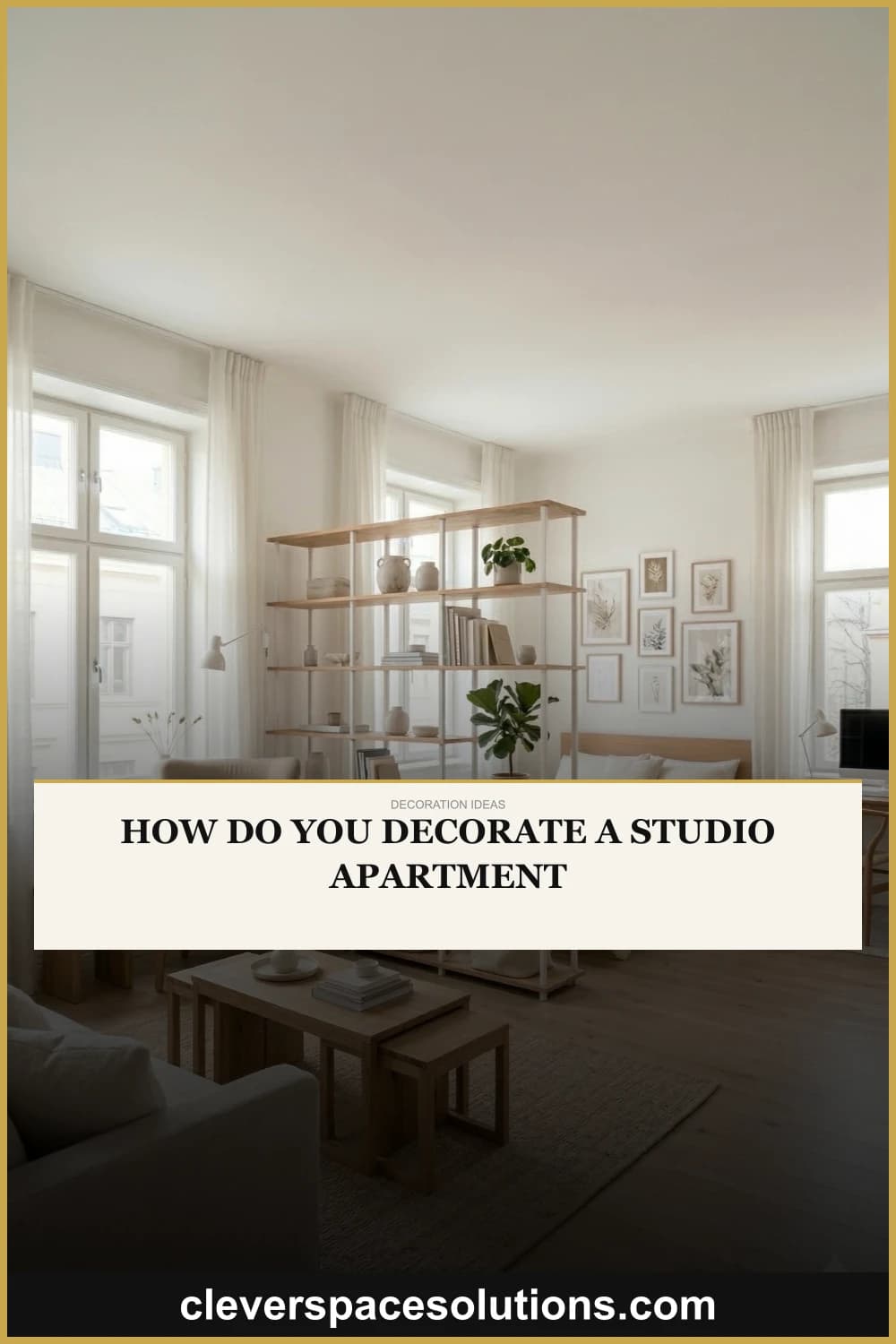
How Do You Decorate a Studio Apartment?
10 min read

The Art of Studio Living: Your Complete Guide
10 min read
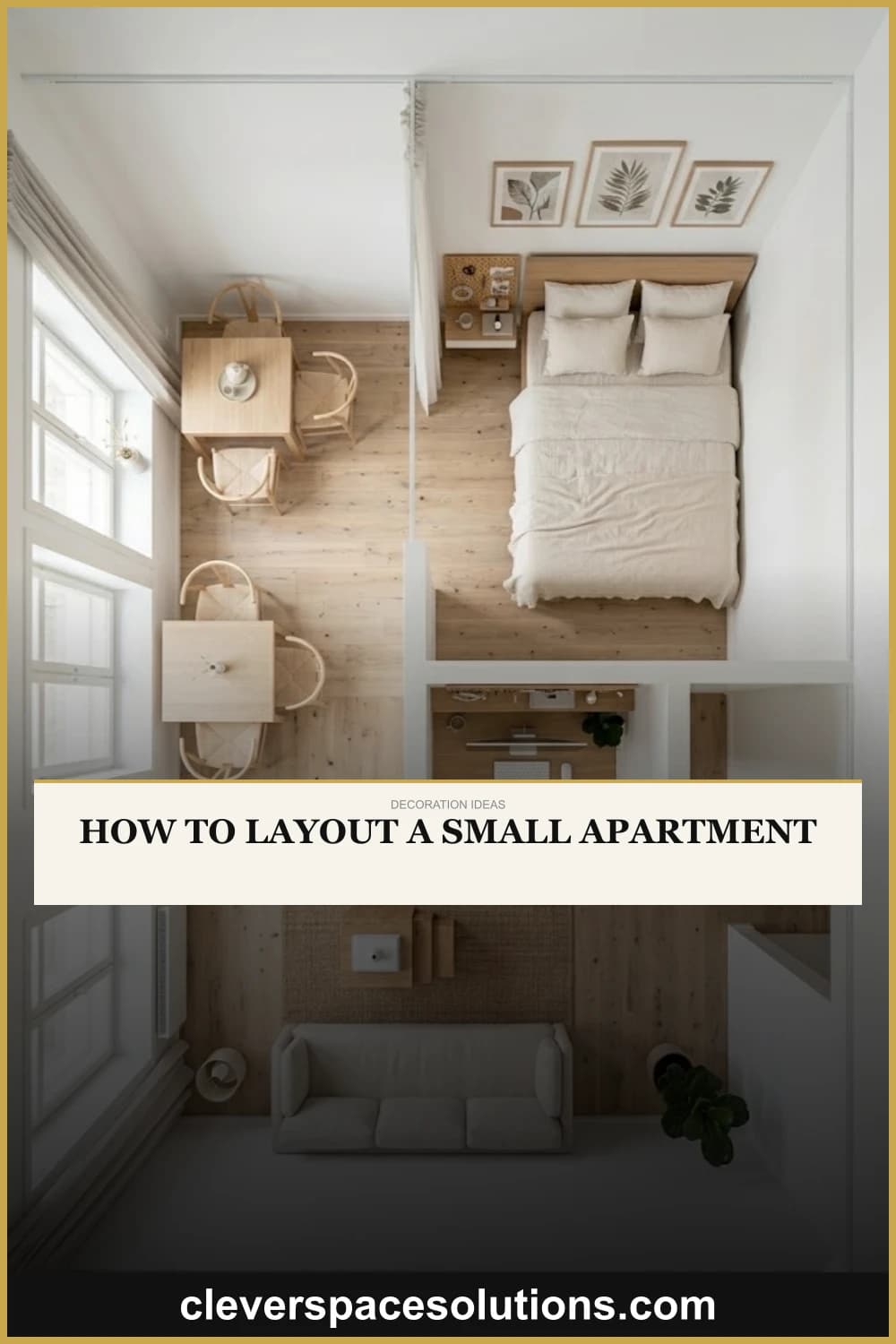
How to Layout a Small Apartment?
25 min read
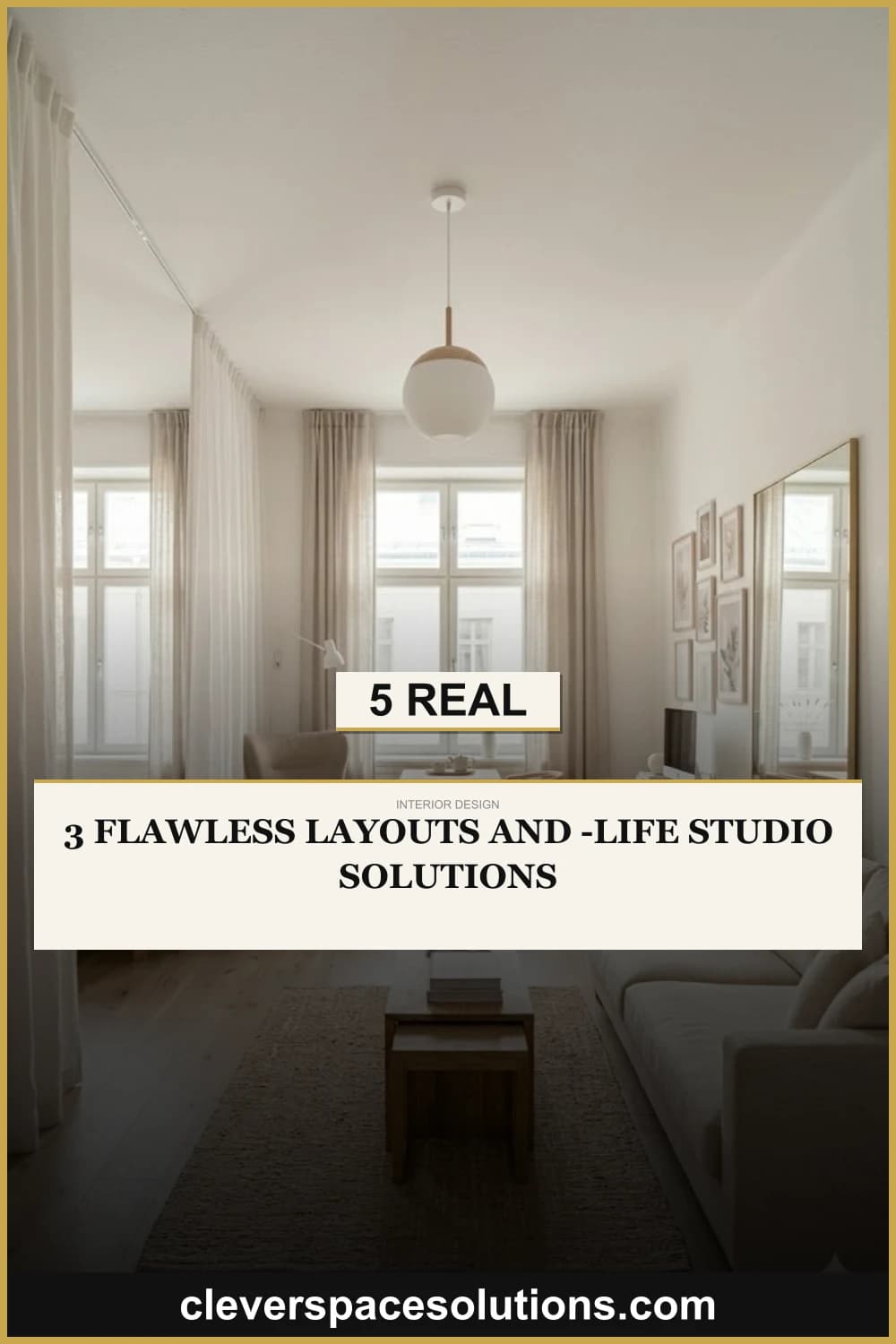
3 Flawless Layouts and 5 Real-Life Studio Solutions
21 min read
How to Light an Apartment with No Overhead Lighting (Room-by-Room Guide)
23 min read
Affiliate Disclosure
Some links on this page are affiliate links. If you purchase a product through these links, I may earn a small commission at no additional cost to you. Thank you for your support!
Tags

Written by Joesp H.
Interior Design & Small Space Living Specialist
Former marketing manager turned full-time home optimizer. After living in 7 homes ranging from 450 to 2,000 sq ft, I started CleverSpaceSolutions to help people create organized, functional spaces on real budgets.
Other Articles
How Do You Decorate a Studio Apartment?
Wondering how to furnish your studio apartment without it feeling cramped? This guide answers your questions with smart ideas for zoning, furniture, and deco...
How Do You Decorate an Apartment for Halloween?
Looking for renter-friendly Halloween decor ideas? Discover how to decorate your apartment with damage-free hacks, space-saving tricks, and stylish themes.
How Do You Decorate a Small Space for Halloween?
Wondering how to decorate your small apartment or room for Halloween? This guide answers with clever, space-saving ideas for walls, lighting, and DIY projects.