How Can You Make a Small Kitchen Look More Stylish? 10 Designer Ideas
Looking for unique ways to improve your small kitchen? This guide answers your questions with 10 designer-inspired ideas, from ceiling racks to clever lighti...

10 Stylish Small Kitchen Ideas That Actually Work
The average American kitchen measures 161 square feet, but apartment kitchens built after 2010 average just 103 square feet, according to the National Kitchen and Bath Association (NKBA). That's a real constraint — but a smaller kitchen doesn't have to mean a less beautiful one. With the right combination of lighting, color, storage, and a few clever design moves, a compact kitchen can look and feel more considered than many large ones. Here are ten ideas that deliver genuine visual impact without requiring a full renovation.
TL;DR:
- Small kitchens average just 103 sq ft in newer apartments, but thoughtful design makes them look and feel larger (NKBA).
- Light colors, reflective surfaces, and layered lighting are the three highest-impact changes you can make without structural work.
- Strategic storage — ceiling-hung pot racks, sliding doors, hidden appliances — removes clutter and adds personality simultaneously.
- Small signature touches like plants, statement lighting, and repurposed furniture create character that square footage alone never can.
If you want your kitchen to work as well as it looks, start with our guide on how to make your small kitchen more functional — then come back here for the visual upgrade.
What Makes a Small Kitchen Look Stylish?
According to a Houzz renovation survey, 53% of homeowners who remodeled a small kitchen reported that lighting and color choices had a bigger impact on the room's perceived size than structural changes did (Houzz, 2022). A stylish small kitchen isn't about adding more — it's about choosing more deliberately. Every visible surface, every fixture, and every piece of hardware is an opportunity. When you treat the kitchen as a designed space rather than a purely functional one, the results follow.
The most consistently well-designed small kitchens share a few traits. They keep the visual field uncluttered — surfaces are clear, items on display are intentional. They use light and reflection to push the walls back. And they have at least one element with real personality: a pot rack in copper, a vintage dresser repurposed as a cabinet, a statement pendant over the sink. The tips below cover all of these.
1. Hang Items from the Ceiling
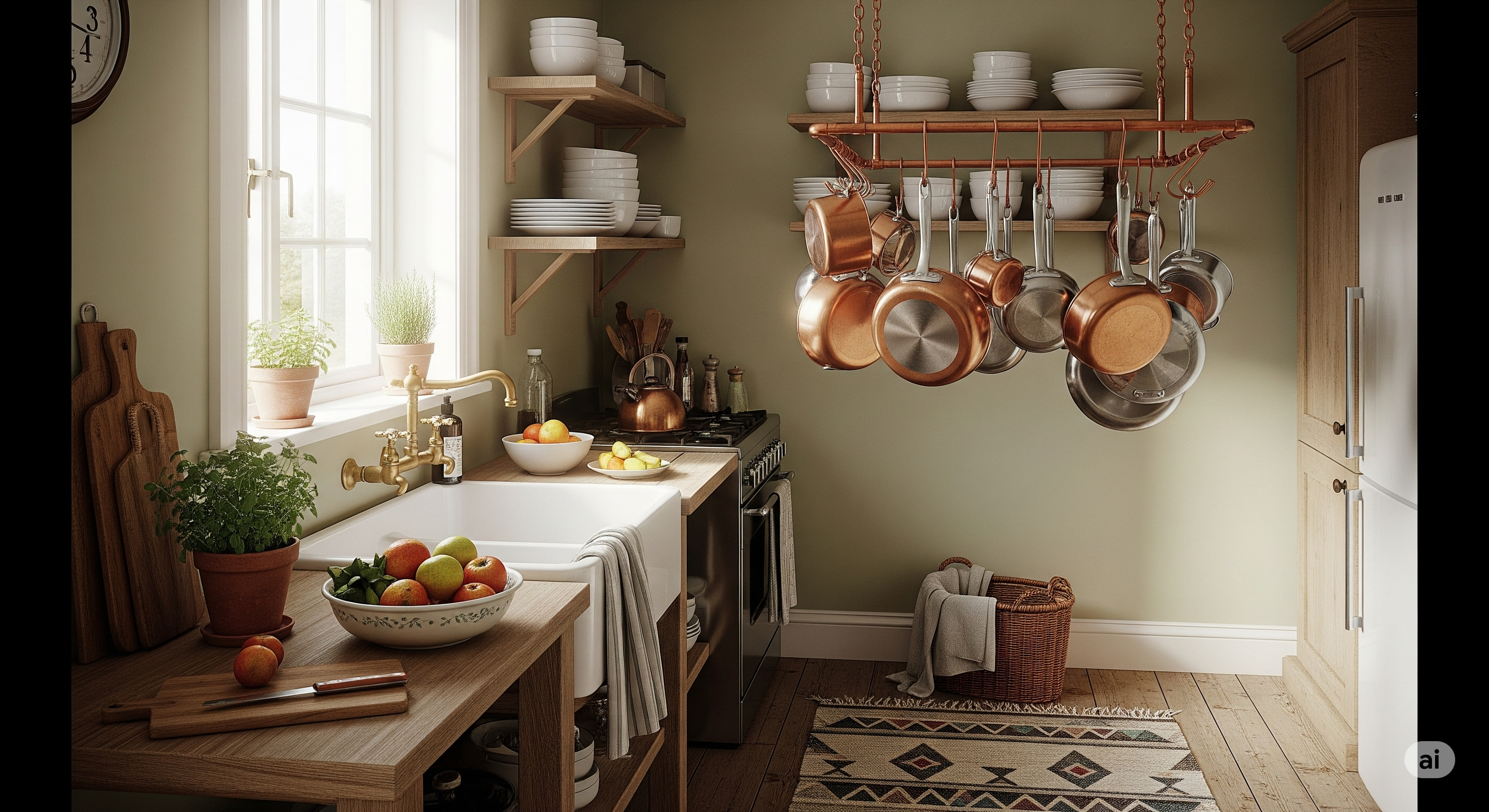
Ceiling-mounted pot racks are one of the most recognizable features of a professional kitchen — and they work just as well in a compact home kitchen. By suspending pots and pans from a bar or rail fixed to the ceiling joists, you free up a full cabinet's worth of storage while adding immediate visual character. A copper or brass pipe adds warmth; a matte black rail reads as modern and deliberate. Either way, the result is a kitchen that looks curated rather than crammed.
Practically speaking, a standard pot rack rail runs 24 to 36 inches and mounts directly into ceiling joists with lag screws — this is a job for two people and a stud finder, but it doesn't require a contractor. Position it over an island or the central prep zone so the pots stay accessible. Keep the pieces you hang consistent in finish if possible: mismatched metals at ceiling height can look busy. A set of stainless or all-copper cookware hung together reads as intentional display, not storage overflow.
One practical note: this idea works best if you have at least 7.5 feet of ceiling clearance. Below that, the hanging pots can feel intrusive. In lower-ceiling kitchens, a wall-mounted rail at upper-cabinet height achieves a similar effect without hanging into the room.
2. Add a Green Touch
Plants change the feeling of a space in a way that's difficult to replicate with any other design element. In a small kitchen, even a single well-chosen plant adds life, texture, and color contrast without consuming counter space. Research published in the Journal of Environmental Psychology found that the presence of plants in interior spaces reduces stress and improves perceived comfort — effects that are especially relevant in a kitchen where time pressure is common (Kaplan, 2001).
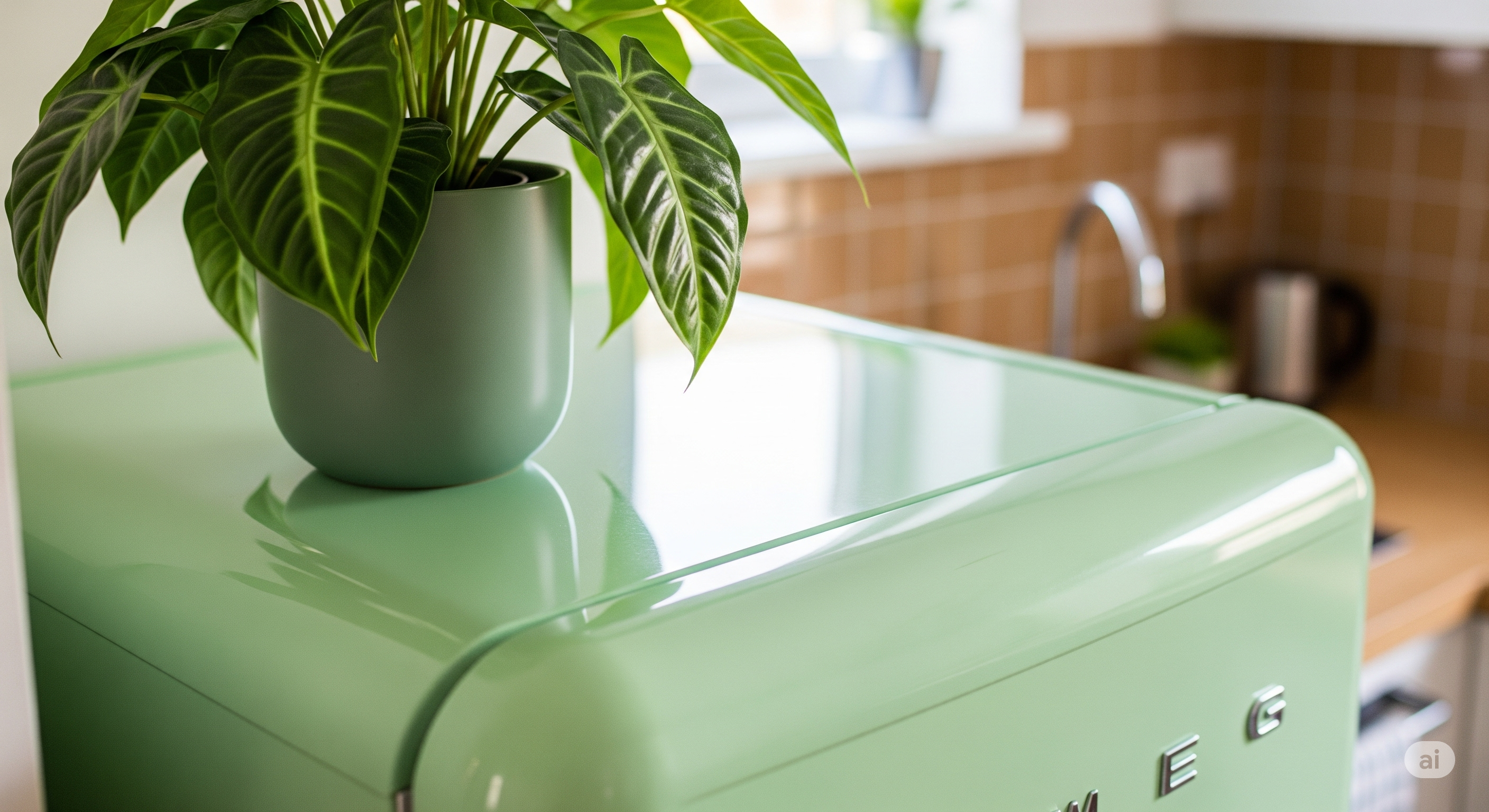
You don't need a collection. One bold plant — a trailing pothos on top of the refrigerator, a compact fiddle leaf fig in a corner, a fresh herb pot on the windowsill — is enough to shift the room's mood. The image below shows a single flower on top of a retro-style refrigerator doing exactly this: transforming an otherwise unremarkable corner into a moment of personality.
Herb gardens are especially practical for kitchens because they earn their place twice — visually and in your cooking. A narrow three-pot herb planter on the windowsill uses no counter space, looks intentional, and means fresh basil is always within arm's reach. If natural light is limited, a small LED grow light mounted under an upper cabinet handles the growing requirements without any visual disruption.
3. Add Depth with Spot Lighting
Lighting is the single most underestimated design tool in a small kitchen. A Houzz lighting survey found that kitchens with layered lighting — at least two distinct light sources at different heights — were rated significantly more spacious-feeling than kitchens relying on a single overhead fixture, even when both kitchens had identical square footage (Houzz, 2021). The reason is that a single overhead light casts shadows downward, visually compressing the room. Multiple light sources at different levels eliminate those shadows and give the room visual depth.
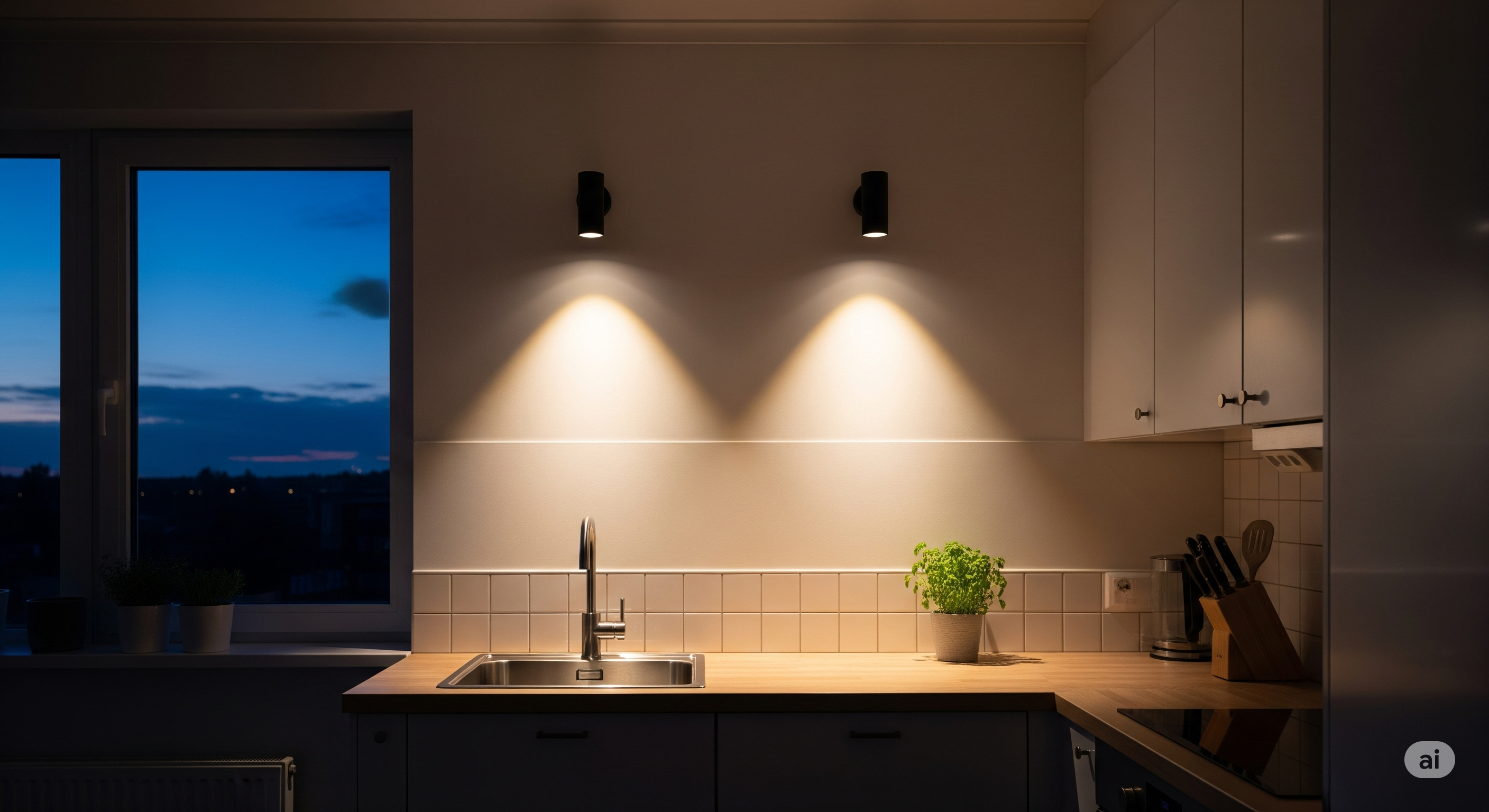
Spotlights — whether recessed ceiling fixtures or surface-mounted track lights — direct focused beams onto the counter and work zones, making the kitchen feel more purposeful and designed. The example below shows a designer using sleek spotlights above the counter and sink. The effect is a kitchen that feels professional rather than functional-by-default.
For maximum impact, aim for three light layers: recessed overhead for general illumination, under-cabinet LED strips for counter task lighting, and a statement pendant or spotlight cluster for focal interest. Under-cabinet LEDs are especially high-value — they eliminate the shadow your upper cabinets cast on the counter and make prep work noticeably easier. Many LED strip kits are peel-and-stick and require no wiring at all, making this one of the easiest upgrades on this list.
For a deeper look at how lighting and color work together in tight spaces, the tiny kitchen design ideas guide covers both in detail.
4. Expand Space with Glass Doors
Glass-fronted cabinet doors are one of the most effective visual tricks in small kitchen design. They replace the solid block of a closed cabinet with a window into the interior — and that visual depth tricks the eye into perceiving more space than actually exists. A study on interior spatial perception found that visual depth cues, including transparency and layering, measurably increase perceived room size even when the physical dimensions are unchanged (Stamps, 2010).
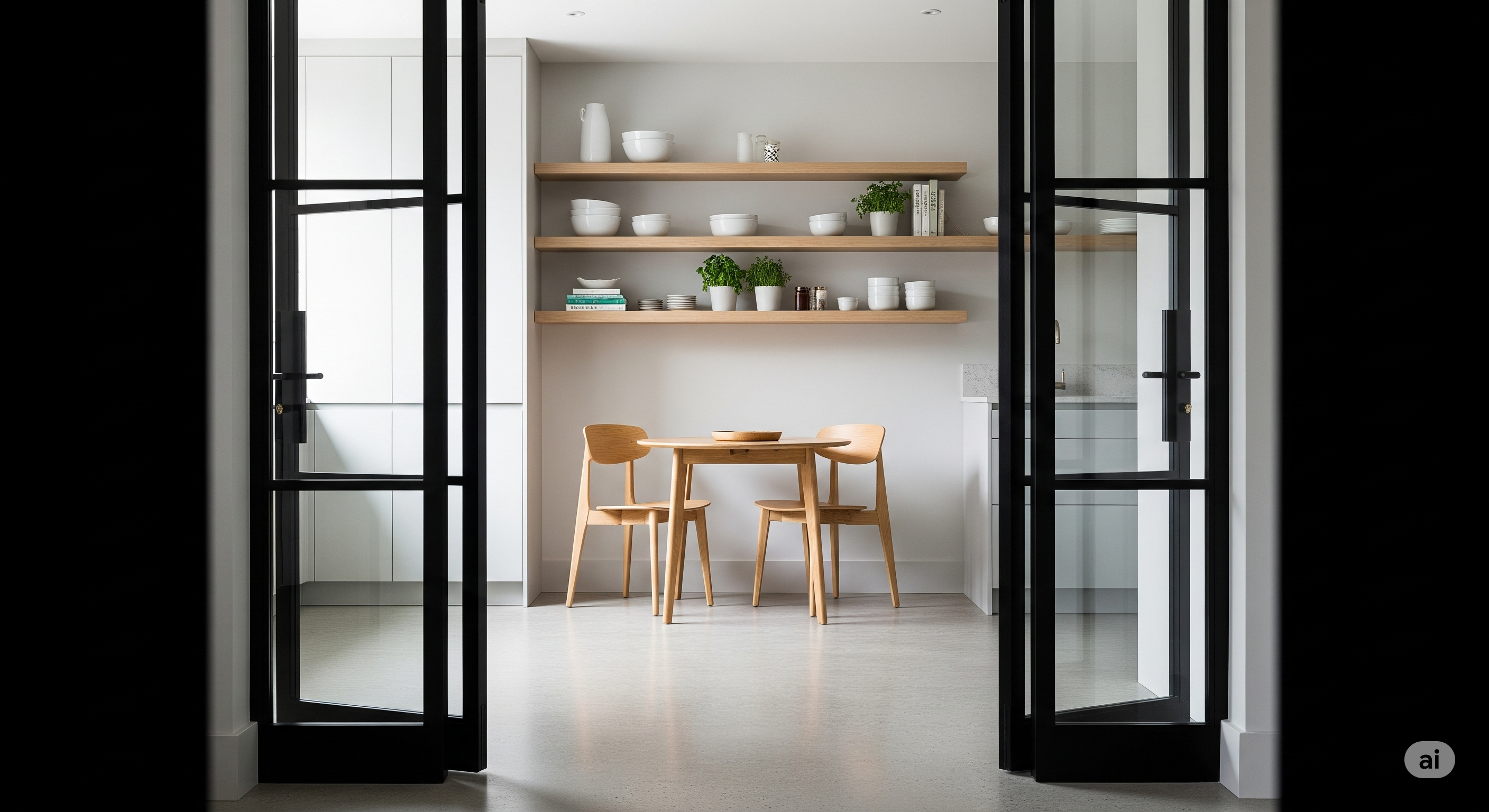
The example below demonstrates this with tall interior glass doors that make the kitchen feel significantly larger than it is. The black lacquer frame keeps the design sharp rather than soft, and the contrast against a light floor maintains the sense of openness. This combination — dark accent color on glass-fronted doors, light walls and flooring — is one of the more reliable formulas in small kitchen design. It adds drama without adding visual weight to the walls.
You don't have to replace all your cabinet doors to get the effect. Even one or two glass-fronted upper cabinets — ideally the ones flanking the window or centered on the main wall — can transform how the kitchen reads. If your cabinet interiors aren't currently display-ready, this project gives you a great reason to curate what's inside: matching mugs, stacked white plates, and a few attractive jars look intentional rather than incidental.
5. Give Old Furniture New Tasks
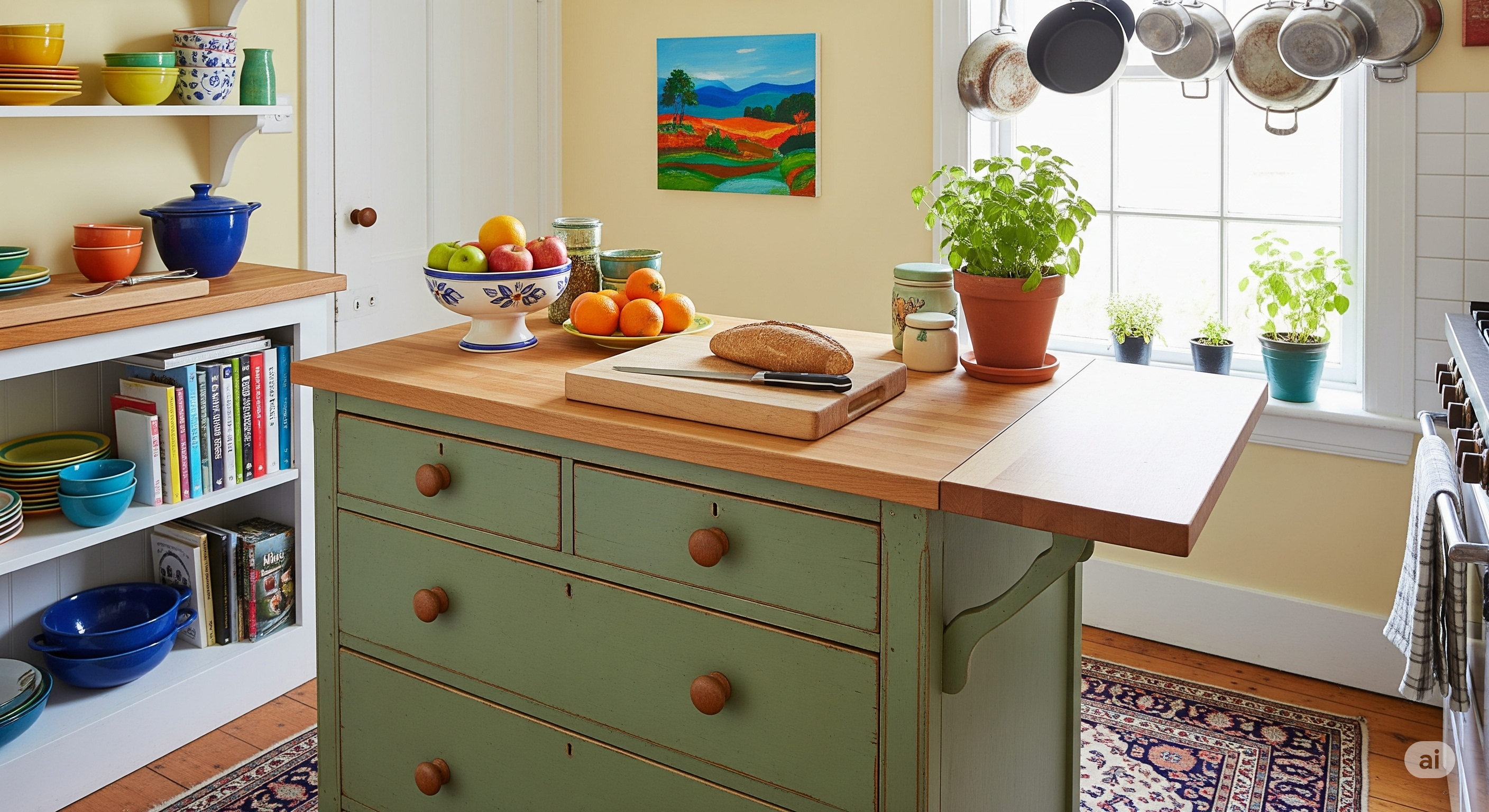
One of the most characterful moves in a small kitchen is repurposing a piece of furniture that wasn't designed for kitchen use. An antique dresser, a narrow console table, or a reclaimed sideboard can become an island, a pantry stand, or an open storage unit — and it adds personality that no off-the-shelf kitchen cabinet can match. This approach is also significantly more affordable than custom cabinetry, with vintage and second-hand pieces often available for a fraction of comparable built-in solutions.
The example below shows an antique dresser repurposed as a freestanding island. Combined with an art piece on the wall above it, the dresser gives the kitchen the kind of individual personality that most compact kitchens lack. The key to making this work is surface preparation: the top of any piece that will be used for food prep or as a workspace needs to be sealed properly — food-grade mineral oil works well for wood, and a cut piece of butcher block or marble makes the top both practical and beautiful.
In our experience, the best candidates for kitchen repurposing are pieces with drawers (great for utensils, towels, and small tools), a surface at 36 inches — standard counter height — and construction that can handle a bit of moisture without warping. Avoid anything with particleboard as the primary material; solid wood or plywood-core pieces hold up far better near water and steam.
6. Create Space with a Sliding Door
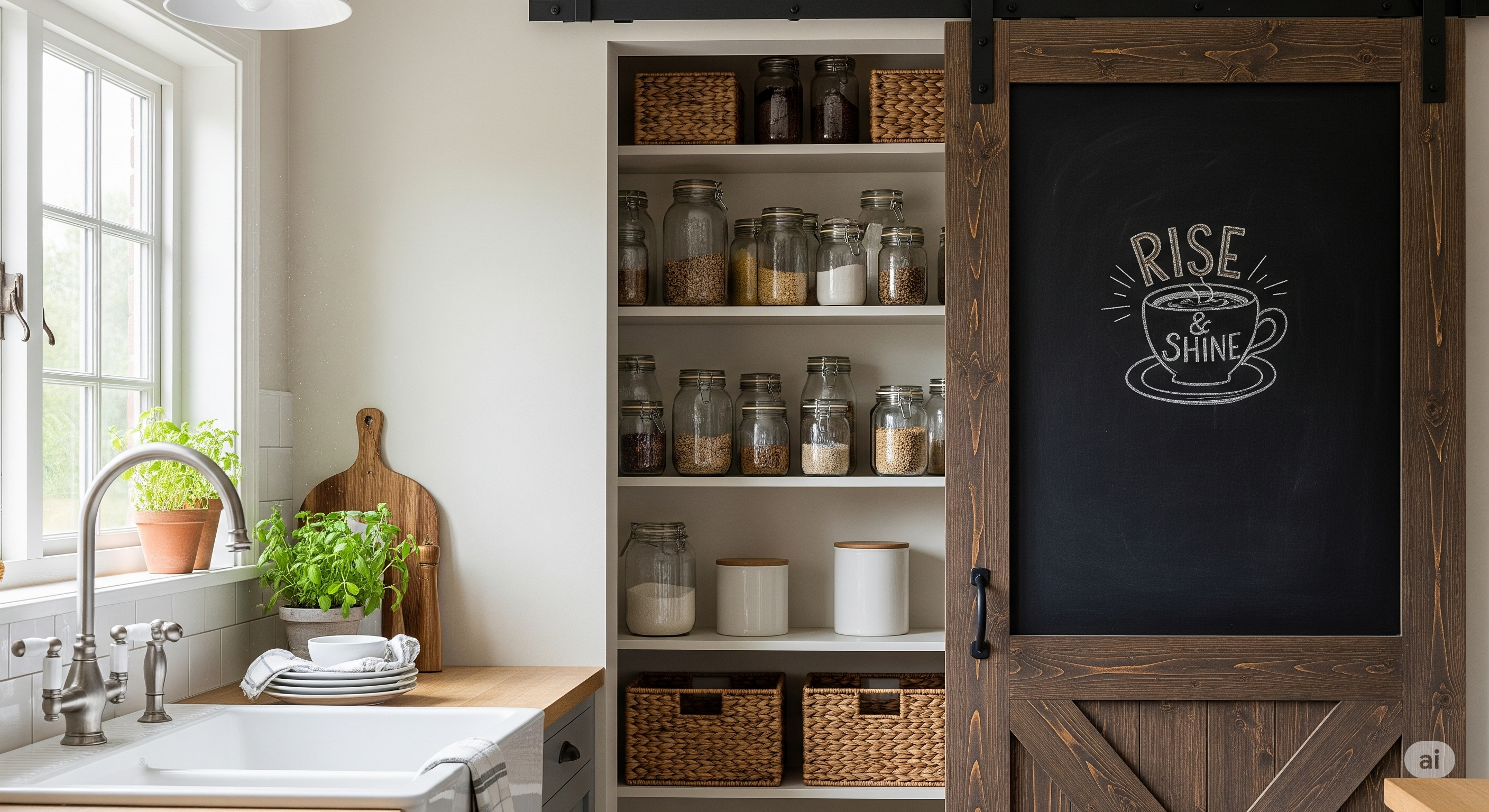
Open shelving is a popular look in small kitchens, but it has an honest drawback: it requires consistent organization to avoid looking chaotic. A sliding door that covers open shelves when needed gives you the best of both approaches — the accessibility of open storage when you want it, and a clean closed front when you don't. The chalkboard-finish sliding door shown below adds a functional bonus, turning dead surface area into a place for grocery lists, recipes, and notes.
Sliding barn-style doors don't require a full door frame clearance like hinged doors do, which makes them especially valuable in tight kitchens where a swing would eat into the work zone. A standard sliding door hardware kit — rail, rollers, and floor guide — is available at most home improvement stores and mounts to the wall studs above the shelf opening. The door itself can be as simple as a plywood panel cut to size, painted in chalkboard paint, and sanded smooth on the edges.
If a full sliding door isn't feasible, a curtain on a tension rod achieves a similar concealment effect at minimal cost. A simple linen or canvas curtain in a neutral tone keeps the clutter out of sight while adding softness and texture to what might otherwise be a very hard-edged kitchen. It's worth noting that this approach works particularly well in rentals where drilling is restricted.
7. Use a Movable Kitchen Counter
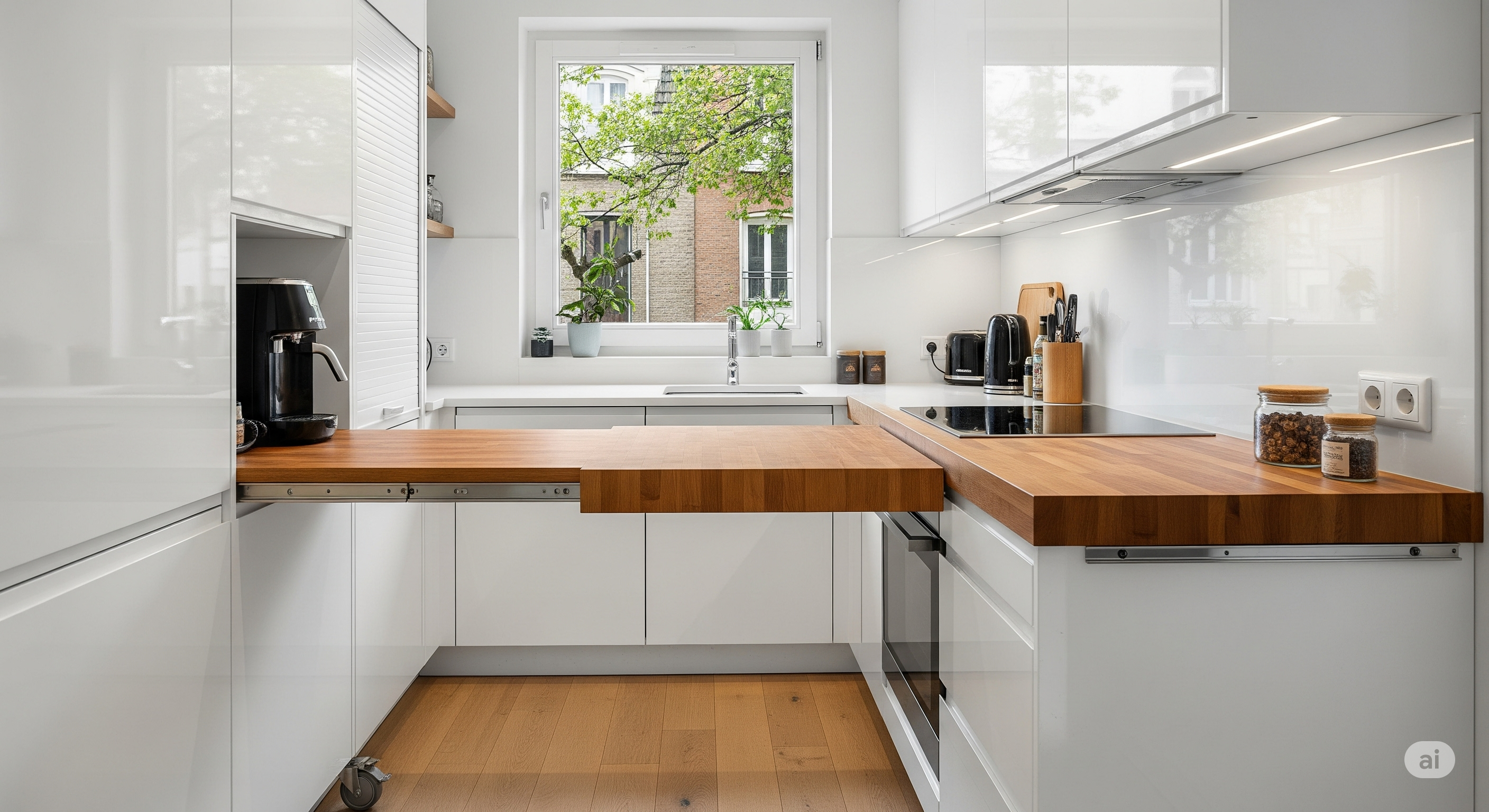
A rolling kitchen counter — also called a kitchen cart — is one of the most versatile pieces of furniture you can own in a small kitchen. It does multiple jobs: extra prep surface, additional storage, informal dining spot, and movable island. When you're cooking, roll it to wherever extra counter space is needed. When dinner's ready, roll it out of the work zone entirely. That flexibility is something no fixed island can offer, and it's exactly what small kitchens need.
The example below shows a movable counter cleverly used to close off the kitchen entrance, creating an improvised island that doubles the prep surface. This kind of flexible thinking — treating furniture as infrastructure rather than just decoration — is what separates a stylish small kitchen from a merely functional one. Look for carts with a butcher block or stainless steel top (both handle kitchen use well), at least one shelf below for storage, and lockable casters so it stays put when you're using it as a prep surface.
The most underrated feature in a rolling kitchen cart is handle hardware at the right height. Most carts are designed to be pushed from behind at counter height, but a cart with a towel-bar style handle can be pulled with one hand while carrying something in the other. It's a small detail that changes how fluidly the piece fits into a working kitchen — look for it when comparing models.
8. Hide Your Kitchen Appliances
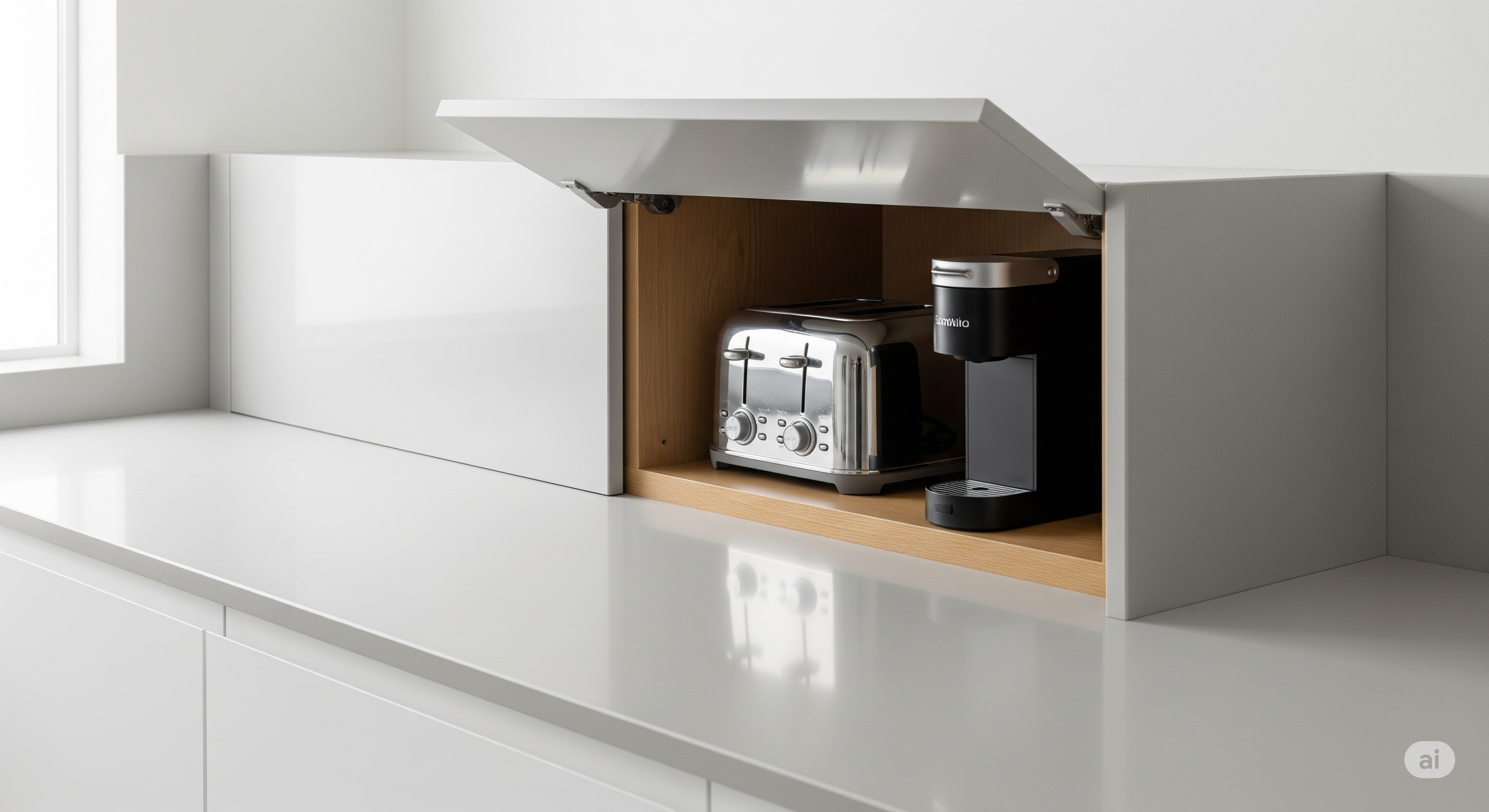
Modern kitchens accumulate appliances faster than almost any other room in the house. Toasters, coffee makers, air fryers, blenders — each one individually useful, collectively chaotic on a small countertop. A Houzz kitchen trends report found that appliance garages and dedicated appliance cabinets were among the top ten requested features in kitchen renovations, cited by 41% of respondents (Houzz, 2023). The appeal is obvious: a counter with nothing on it looks larger, cleaner, and more intentional than one occupied by six appliances.
The image below shows what's possible when appliances are stored behind closed doors: the counter reads as a single uninterrupted surface, which is both more functional and more visually appealing. You don't need custom cabinetry to achieve this. A lower cabinet with a deep shelf is enough to store a stand mixer, air fryer, or toaster out of sight. The access pattern changes slightly — you're getting the appliance out rather than turning it on in place — but most people find this trade-off worthwhile once they see how it transforms the counter.
Reserve counter real estate only for what you use daily: the coffee maker that runs every morning earns its spot. Everything used weekly or less belongs in a cabinet. This one habit shift alone typically frees more usable surface than any organizer purchase can provide.
9. Gain Space with an Island
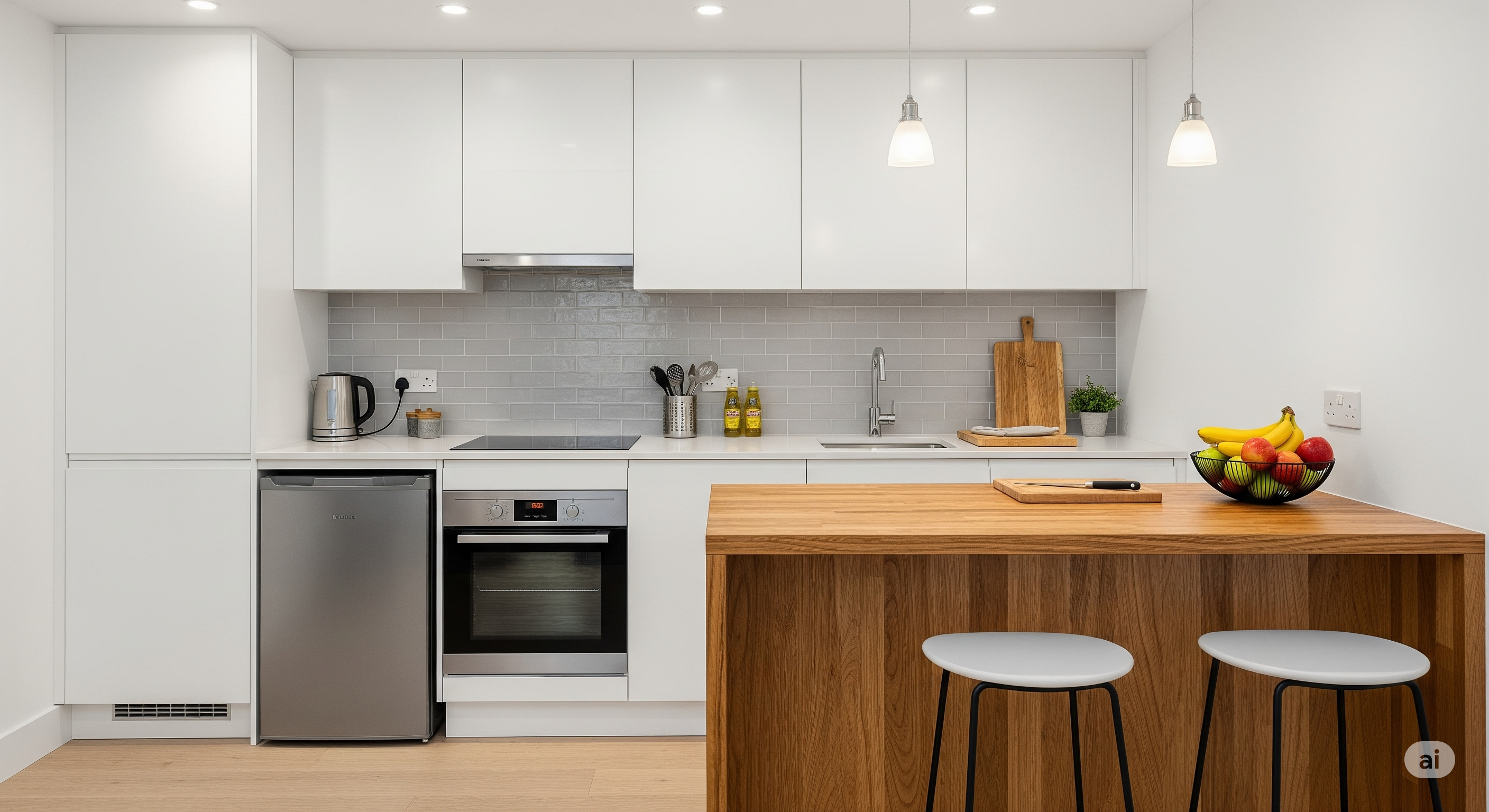
Studio apartments and single-wall kitchens are common in cities — and they often leave you with a long wall of countertop and nothing else. A well-chosen island solves several problems at once: it adds prep surface, creates storage below, defines the kitchen zone within an open-plan space, and provides a casual eating spot without requiring a separate dining area. The NKBA recommends a minimum of 42 inches of clearance around any kitchen island to keep traffic flow comfortable — measure your space before committing.
The island shown below uses a natural wood surface that adds warmth and organic texture to what would otherwise be a very minimal kitchen. That material choice is deliberate: natural materials — wood, stone, rattan — bring visual weight and grounding to small kitchens in a way that synthetic surfaces don't. They also age well, which matters in a piece you'll use daily.
If a fixed island doesn't fit your clearance constraints, a rolling cart (see tip 7) or a drop-leaf table on casters achieves a similar functional result with the flexibility to move out of the way when needed. For dining solutions that work alongside small kitchen layouts, our guide to the best table for a small kitchen covers sizing, styles, and what actually fits in tight spaces.
10. Keep It Bright and Airy
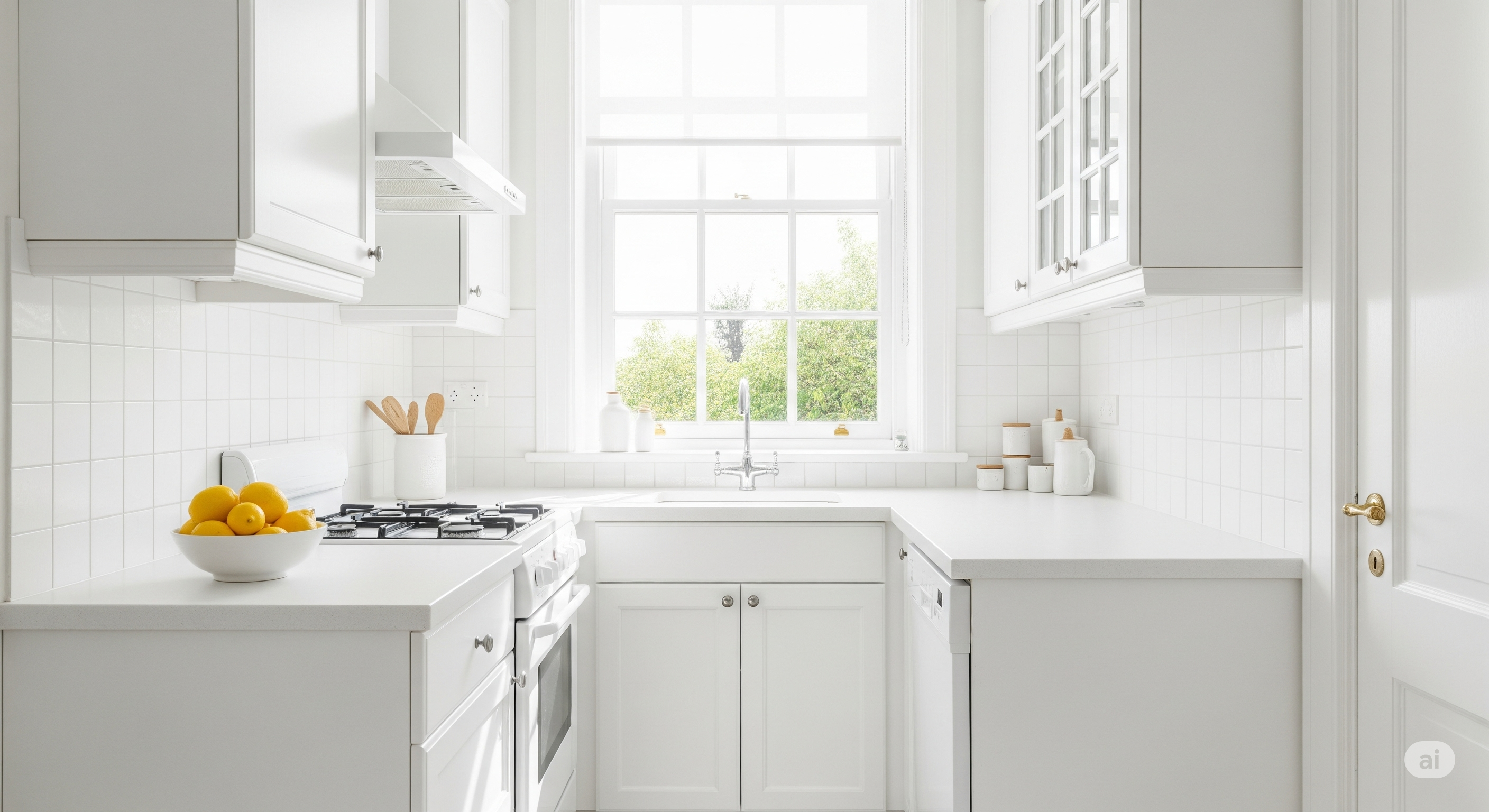
Light colors reflect more lumens back into the room, which is why the classic advice — paint it white — has never stopped being relevant. Research from the Color Marketing Group found that light-reflecting colors in small rooms increase perceived spatial volume by 10 to 15 percent compared to dark or saturated tones in the same room (Color Marketing Group, 2019). In a 103-square-foot kitchen, that perceptual shift is meaningful. The all-white kitchen below demonstrates what's possible: clear surfaces, bright walls, and maximum natural light create a kitchen that feels genuinely spacious.
White doesn't mean boring. The most interesting versions of this approach use texture and material contrast to add depth: a white shaker cabinet with visible grain detail, a marble or white quartz countertop with subtle veining, a white subway tile backsplash with a charcoal or warm gray grout. Each element is individually quiet but collectively rich. Add one or two intentional accents — a colored light fixture, a single bold tile used as a backsplash feature, or hardware in a warm metal — and the kitchen reads as styled, not sterile.
Natural light matters enormously here. If your kitchen has a window, keep it completely unobstructed. Don't place shelving in front of it, keep the window treatment minimal (a simple roller shade rather than curtains that block the sides), and clean the glass regularly. The single window in a small kitchen can do more for the room's feel than any design decision you make with paint or fixtures.
Color Palette Strategies That Open Up Small Kitchens
Color choice in a small kitchen is one of the highest-leverage decisions you can make, and it costs far less than any structural change. The Color Marketing Group's research confirms that light-reflective palettes expand perceived space by 10 to 15 percent — but the full picture is more nuanced than "paint everything white." What works is a deliberate relationship between wall color, cabinet color, and accent tones that creates depth without visual weight.
Light-on-Light: The Classic Approach
Pairing white or off-white upper cabinets with walls in the same value range — pale gray, warm cream, soft greige — creates a seamless, expansive feel. The eye doesn't stop at the cabinet edge, so the room reads as one continuous volume rather than a box of separate surfaces. This is the lowest-risk palette strategy and it consistently works.
The key is avoiding the temptation to make everything the same exact color. A slight tonal shift between cabinets and walls adds dimension. Warm white cabinets against a cool white wall, or greige cabinets against soft cream walls, creates the layered effect that makes the approach feel designed rather than simply unpainted. Keep countertops light as well — white quartz, pale gray laminate, or butcher block in a natural maple tone all work.
Two-Tone Cabinets: More Impact, Same Footprint
The two-tone approach — light upper cabinets with a slightly darker or more saturated lower cabinet color — is one of the most effective strategies available for small kitchens. Light uppers keep the eye traveling upward, preventing the visual ceiling drop that a uniformly dark kitchen creates. Darker lowers ground the space and are more practical from a wear-and-cleaning standpoint.
Popular combinations that work well in small kitchens: white uppers with navy lowers, off-white uppers with sage green lowers, cream uppers with warm charcoal lowers. In each case, the contrast needs to be distinct enough to read clearly — a barely-there tonal difference looks muddy rather than intentional. Keep walls and ceiling light in all cases to prevent the lowers from making the room feel heavy.
When Bold Colors Work
Deep colors aren't off-limits in small kitchens. Forest green, dusty blue, terracotta, and warm charcoal can all look genuinely beautiful in a compact kitchen — the condition is that the boldness is contained. Color one surface: the island, the lower cabinets only, or a single accent wall. Keep the remaining surfaces light and the hardware consistent with the accent color's undertone. This creates a kitchen with real personality without the compression that comes from dark color on every surface simultaneously.
In our experience reviewing small kitchen renovations on Houzz and similar platforms, the most frequently praised color combinations in kitchens under 150 square feet share one consistent trait: a light-to-dark ratio of roughly 70/30. Approximately 70% of visible surface area (walls, ceiling, upper cabinets) in a lighter tone, and 30% (lower cabinets, island, one wall) in the contrasting or accent color. This ratio appears to be the threshold where small kitchens gain drama without sacrificing openness.
What Stylish Small Kitchens Have in Common
Across the best-designed compact kitchens — whether they're in New York studios, London flats, or smaller suburban homes — a handful of shared principles consistently appear. These aren't design trends. They're practical habits that produce reliable results regardless of the specific aesthetic direction.
Everything Visible Is Intentional
In a large kitchen, a few miscellaneous items on the counter barely register. In a small kitchen, they dominate the room. Every item in an open or visible position — on the counter, on open shelves, on top of the refrigerator — needs to earn its place visually. This doesn't mean the kitchen has to look like a showroom. It means the visible items are chosen, not simply left out because there wasn't anywhere else to put them.
The easiest way to audit this: take a photo of your kitchen and look at it on your phone screen rather than in person. The camera flattens depth and makes the visual clutter more apparent than your eye normally registers it. Anything that looks random or out of place in the photo probably reads that way to visitors too.
Consistent Finishes and Hardware
One of the fastest ways to make a small kitchen look pulled-together is hardware consistency. Mixed metal finishes — brushed nickel handles with chrome faucets and brass light fixtures — reads as undecided rather than eclectic in a small space. Committing to one metal finish for all hardware and fixtures (or two complementary ones, like matte black and warm brass) gives the kitchen a designed quality that doesn't require any structural change.
The same applies to cabinet hardware specifically. Swapping out mismatched or builder-grade hardware for a single consistent style — all bar pulls, all cup pulls, all knobs in the same finish — is one of the most cost-effective upgrades available. Individual hardware pieces are typically low-cost, and the collective impact of consistency across 12 to 20 cabinet doors and drawers is significant.
One Signature Piece
Every truly memorable small kitchen has at least one element that signals it was designed rather than assembled. It doesn't need to be expensive. A vintage pendant light found at a flea market, a single bold tile used as a backsplash feature behind the range, a hand-thrown ceramic pot for utensils, or a small piece of art on the one wall that isn't occupied by cabinets — any of these creates the focal point that keeps the room from feeling generic.
What to avoid: signature pieces that are large, visually busy, or that add clutter. The goal is a single clear focal moment, not additional complexity. A beautiful copper pendant over the sink reads as design. Three separate decorative items of equal visual weight fighting for attention reads as noise.
Frequently Asked Questions
What colors make a small kitchen look bigger?
Light-reflective colors — whites, off-whites, pale grays, and soft creams — measurably increase perceived space in small rooms. The Color Marketing Group found a 10 to 15 percent increase in perceived spatial volume when light-reflecting palettes replace dark ones (Color Marketing Group, 2019). The most effective approach keeps walls, upper cabinets, and ceilings within the same light value range, with slight tonal variation between surfaces to add depth without adding visual weight.
How do I make my kitchen look like a designer kitchen on a budget?
Hardware consistency makes the single biggest difference per dollar spent. Replacing mismatched builder-grade handles and knobs with a unified set in one finish — all bar pulls in matte black, all cup pulls in brushed brass — costs a relatively modest amount and transforms the kitchen's visual coherence. After hardware, focus on lighting: even a single statement pendant over the sink elevates a kitchen from functional to considered. Neither change requires professional installation in most cases.
Should small kitchens have open or closed shelving?
A Houzz survey found that 35 percent of kitchen renovators who installed open shelving replaced some or all of it with closed cabinets within three years (Houzz, 2023). Open shelving looks clean in photos but requires consistent organization to avoid appearing cluttered — especially in a small kitchen where grease and steam accumulate faster. The best approach for most small kitchens is predominantly closed cabinetry with one or two open shelf elements for visual relief and display.
What is the best lighting for a small kitchen?
Layered lighting — at least two distinct sources at different heights — consistently outperforms single-source lighting in small kitchens. The practical combination that works in almost any kitchen: recessed overhead fixtures for general illumination, plus under-cabinet LED strips for counter task lighting. Under-cabinet LEDs eliminate the shadow your upper cabinets cast on the work surface, which makes the counter feel both brighter and larger. A statement pendant or spot lighting cluster above the sink or island adds the third layer and creates visual depth.
How do you make a galley kitchen look stylish?
Galley kitchens are actually the most work-efficient layout for spaces under 120 square feet, according to NKBA layout research (NKBA, 2020). The stylistic challenge is preventing the two parallel walls from feeling like a tunnel. The most effective solutions: keep one wall lighter than the other to create asymmetry, add a statement material on the backsplash wall rather than both, use open shelving on one side and closed cabinets on the other, and place any pendant lighting along the center line to draw the eye through the length rather than across the width. For more layout-specific advice, the tiny kitchen design ideas guide covers galley layout decisions in depth.
Making It Your Own
A stylish small kitchen doesn't come from following a checklist — it comes from understanding the principles well enough to apply them to your specific space. Light and reflection expand the room perceptually. Consistent finishes create visual coherence. Intentional storage removes the clutter that makes small kitchens feel chaotic. And one or two signature moments give the room a personality that square footage can't provide.
The ten ideas in this post can each stand alone, but they compound. A pot rack that clears your cabinets also adds character. Hiding your appliances also gives you clearer counter space. A movable island also defines the kitchen zone in an open-plan space. You don't have to do all ten at once — but each one you implement makes the next one more effective.
Start with the change that addresses your kitchen's most pressing problem, whether that's clutter, dim lighting, or a feeling of visual compression. Once that's resolved, the next decision becomes clearer. For the functional side of the equation — storage systems, countertop organization, and layout decisions — our guide on how to make your small kitchen more functional is the logical next step.
Written by Joesp H., CleverSpaceSolutions.
More from Small Kitchen
Design, decor, and function for small and tiny kitchens.
Kitchen Backsplash Ideas for Small Kitchens: Budget-Friendly Designs That Pop
20 min read
Tiny Kitchen, Big Dreams: Your Ultimate Guide to Maximizing Style and Space
14 min read
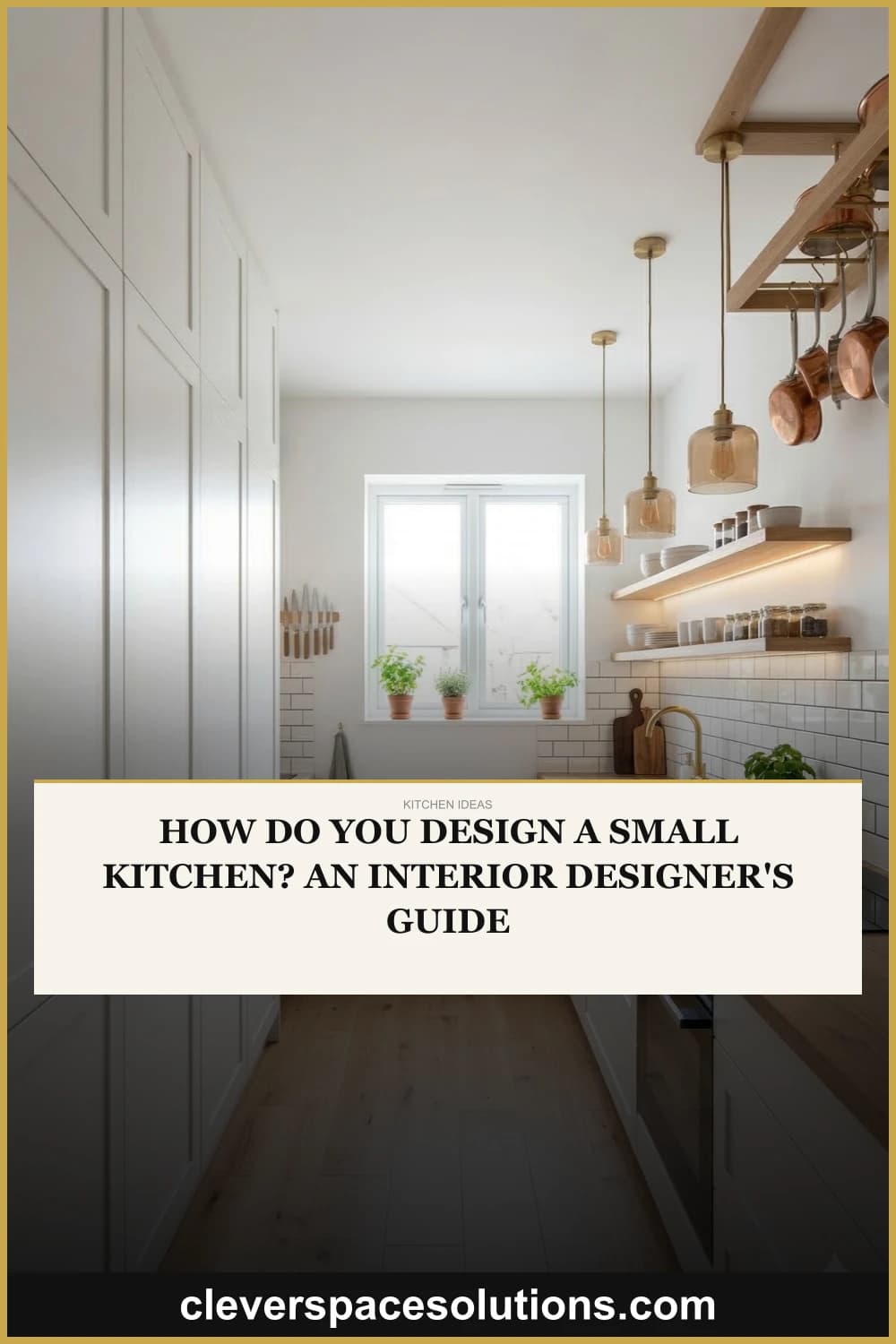
How Do You Design a Small Kitchen? An Interior Designer's Guide
7 min read
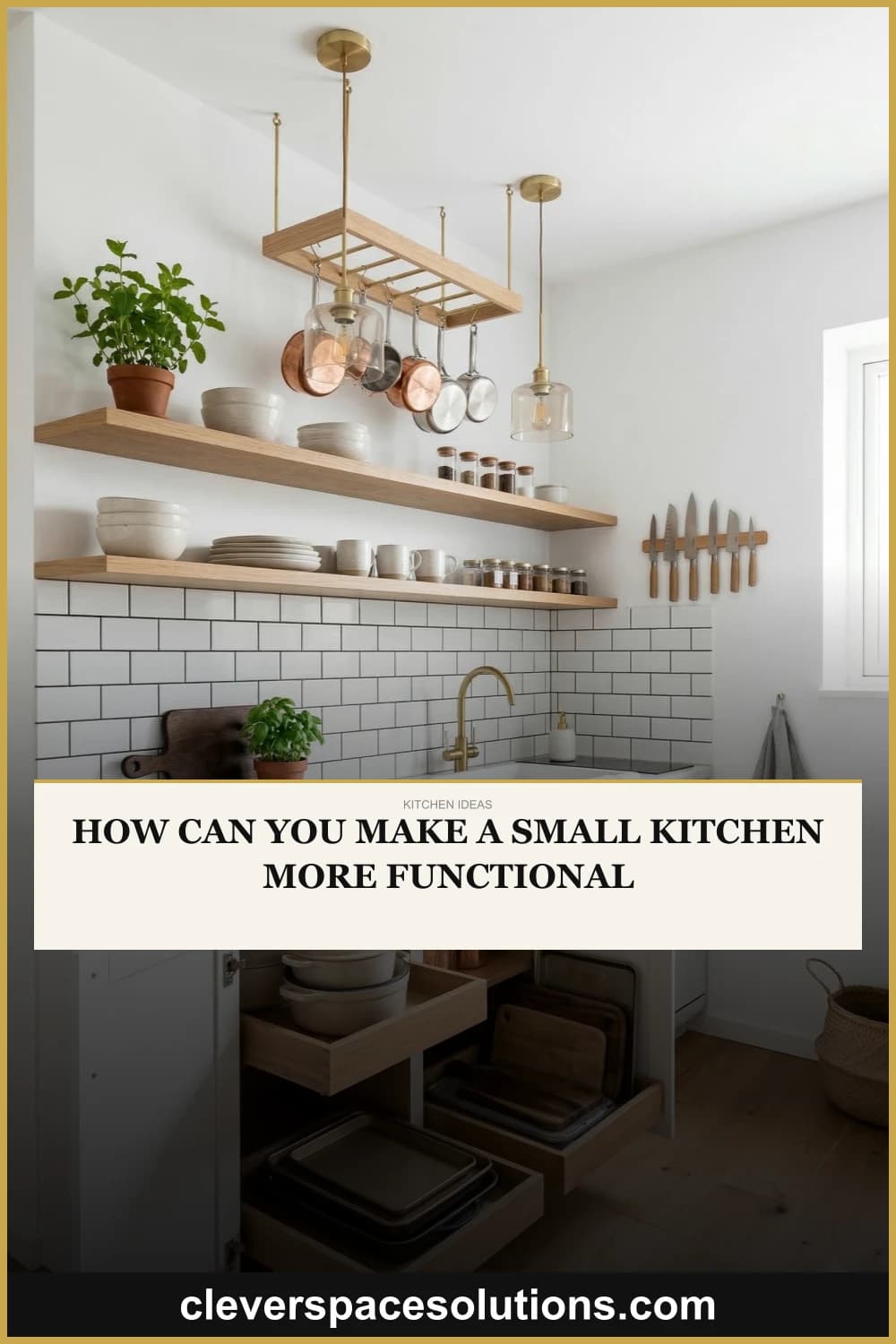
How Can You Make a Small Kitchen More Functional?
17 min read
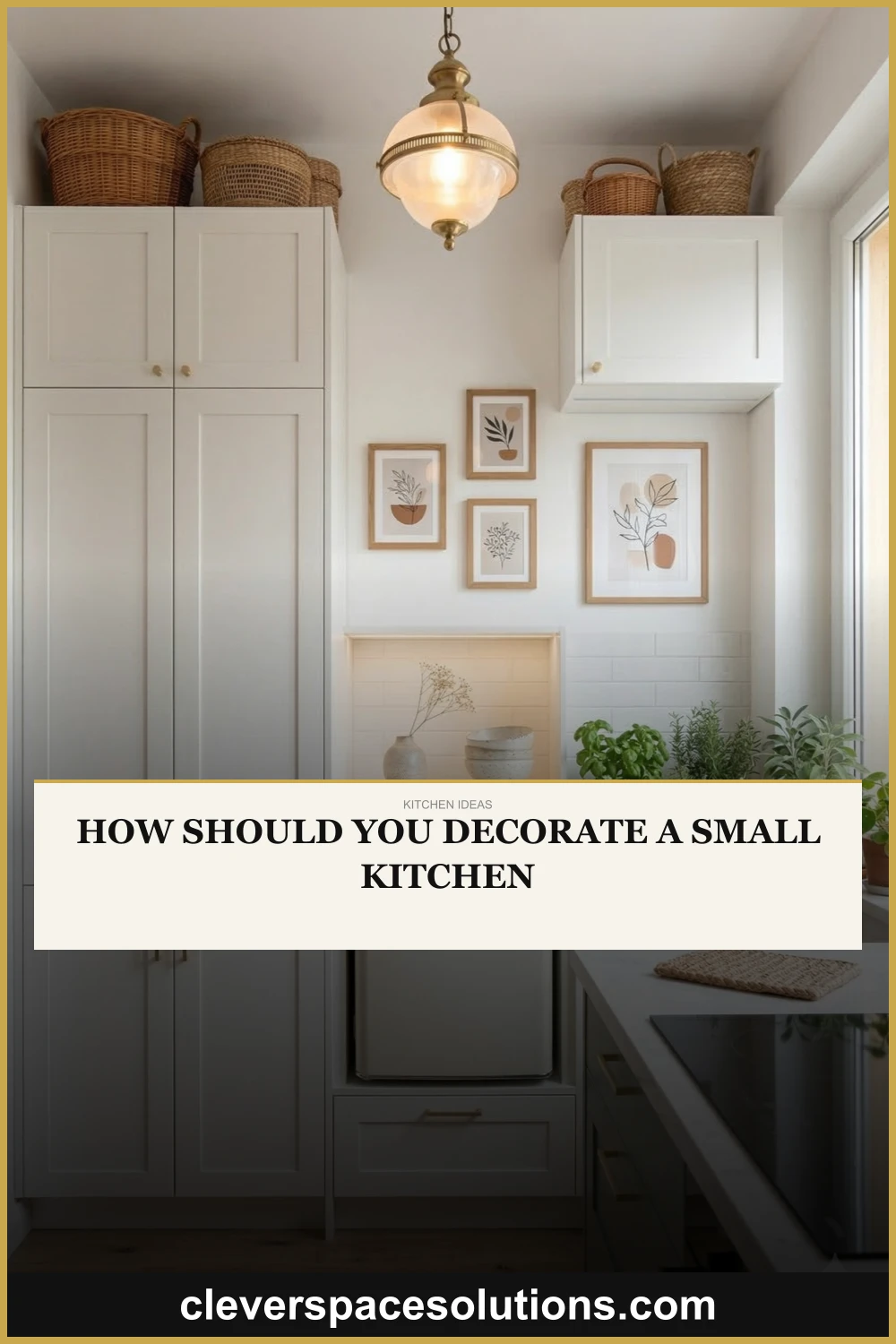
How Should You Decorate a Small Kitchen?
17 min read
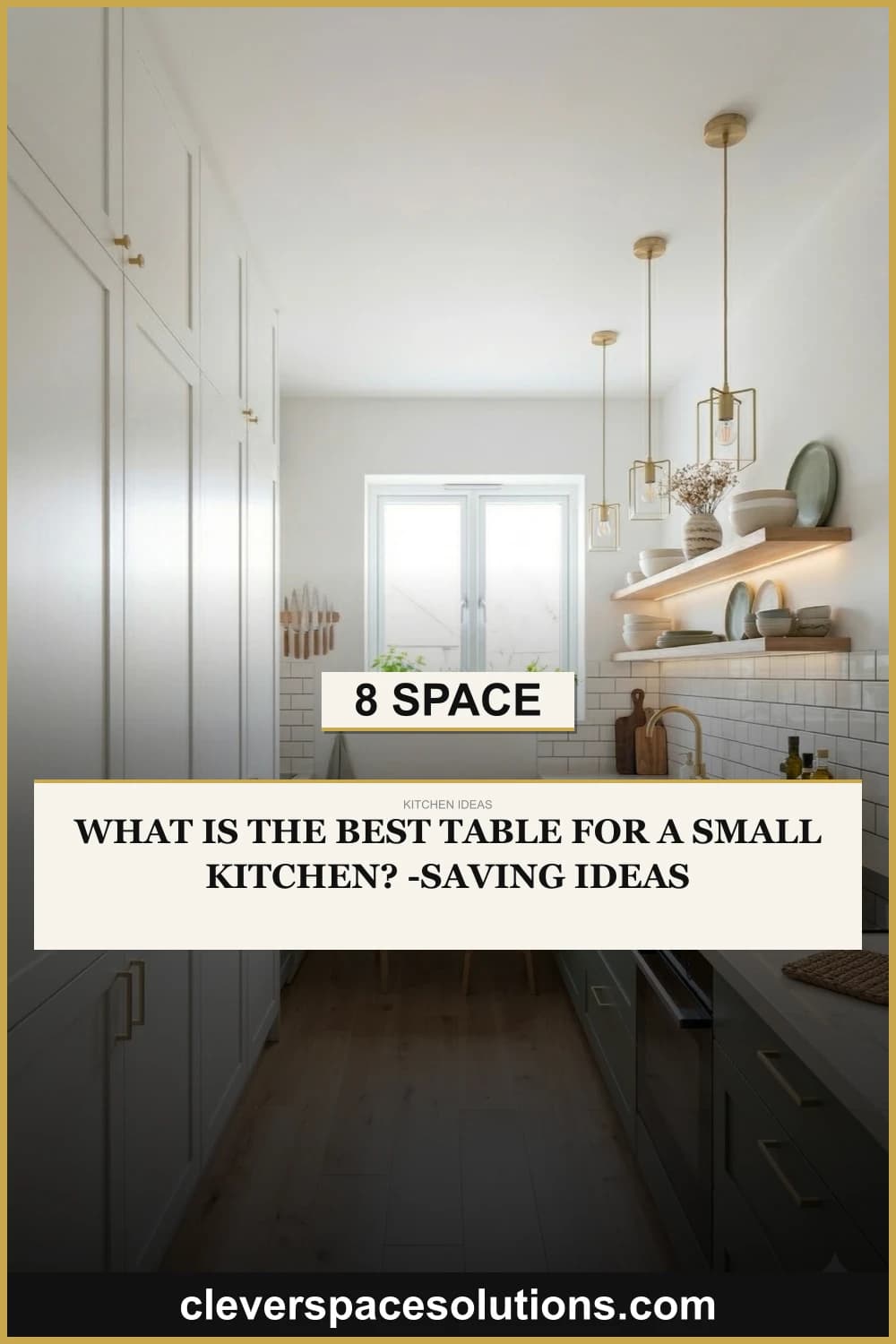
What is the Best Table for a Small Kitchen? 8 Space-Saving Ideas
7 min read
Tags

Written by Joesp H.
Interior Design & Small Space Living Specialist
Former marketing manager turned full-time home optimizer. After living in 7 homes ranging from 450 to 2,000 sq ft, I started CleverSpaceSolutions to help people create organized, functional spaces on real budgets.
Other Articles
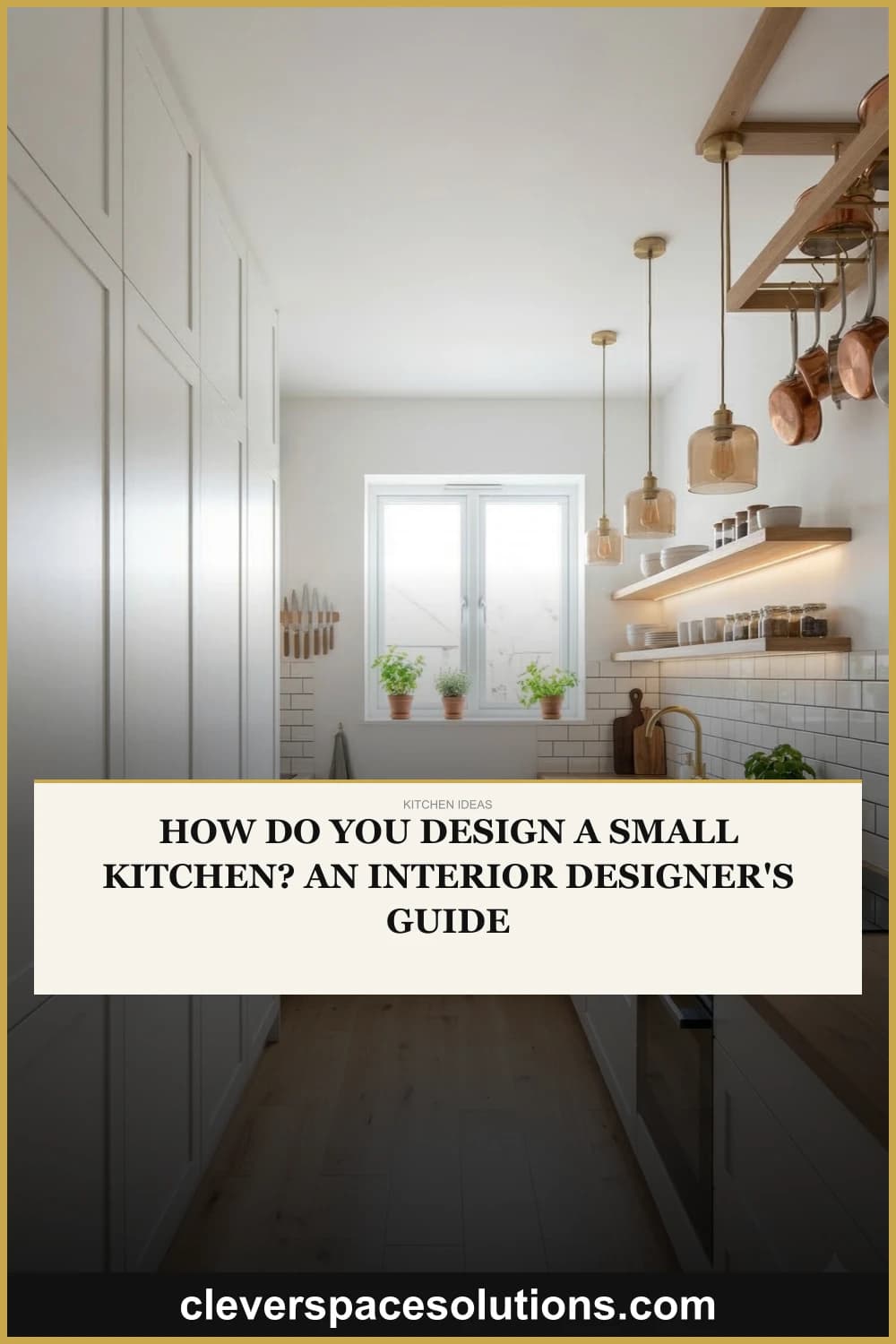
How Do You Design a Small Kitchen? An Interior Designer's Guide
Wondering how to design your small kitchen for maximum style and function? An interior designer shares the most effective methods for color, storage, and lig...
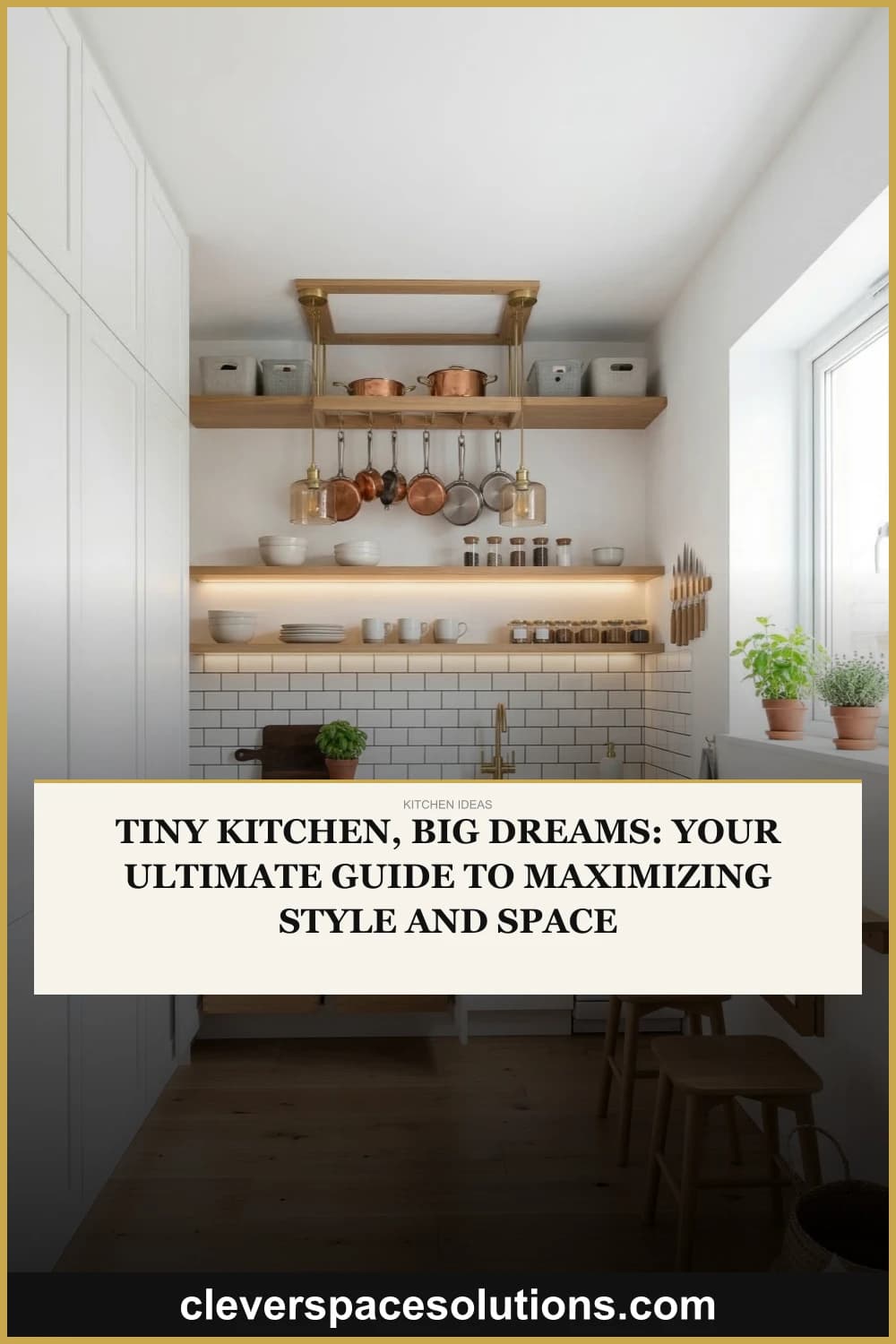
Tiny Kitchen, Big Dreams: Your Ultimate Guide to Maximizing Style and Space
Wondering how to transform your tiny kitchen into a stylish, functional space? This ultimate guide answers your questions, covering everything from smart sto...
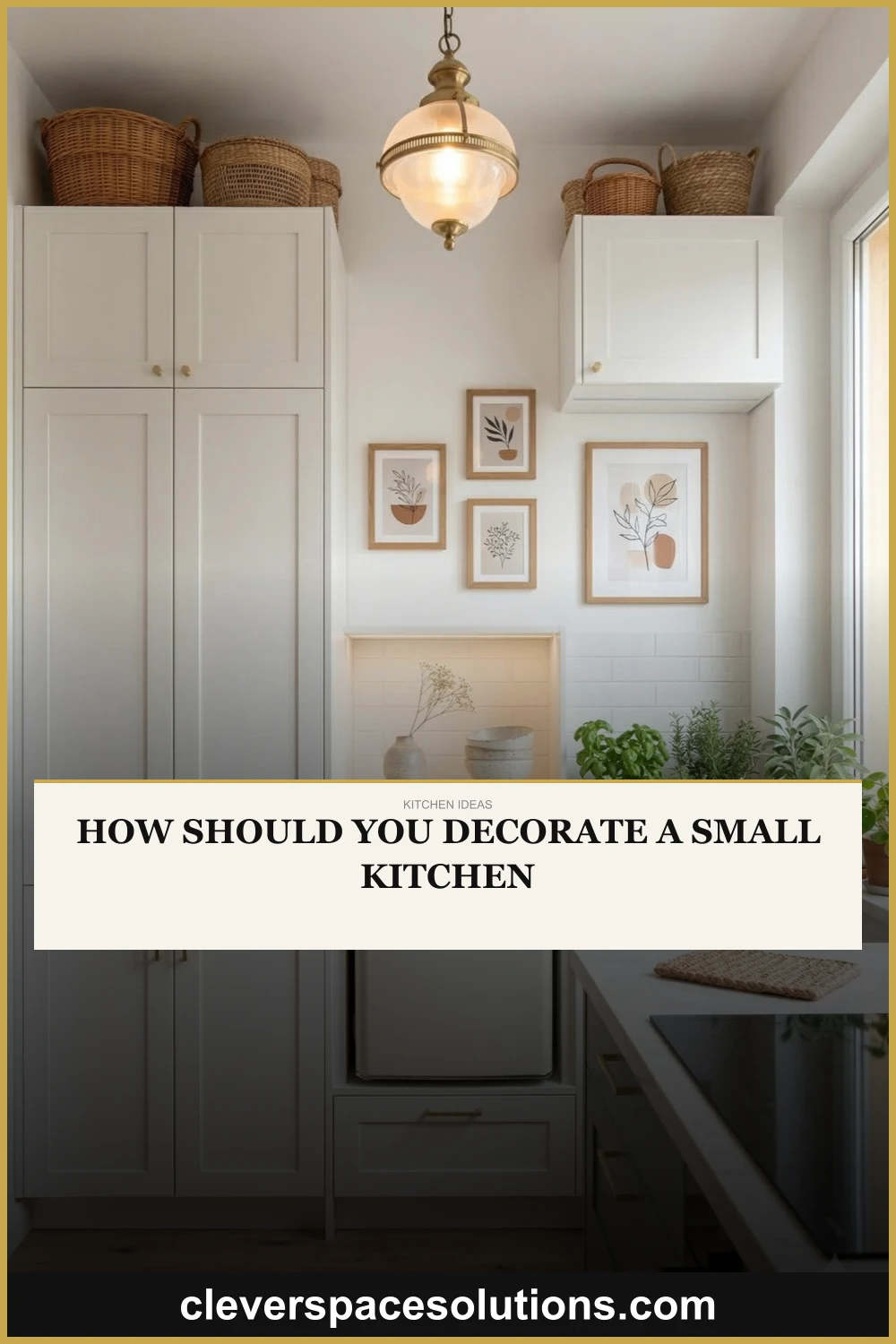
How Should You Decorate a Small Kitchen?
Wondering how to make your small kitchen both functional and stylish? This guide answers your questions with 7 practical ideas for storage, lighting, and org...